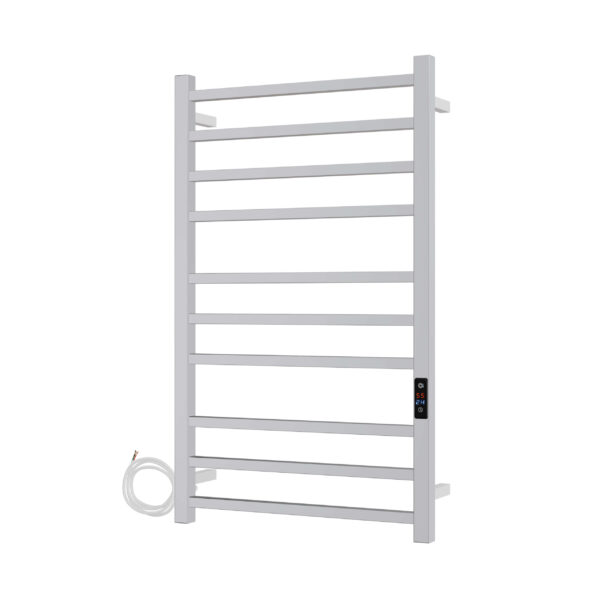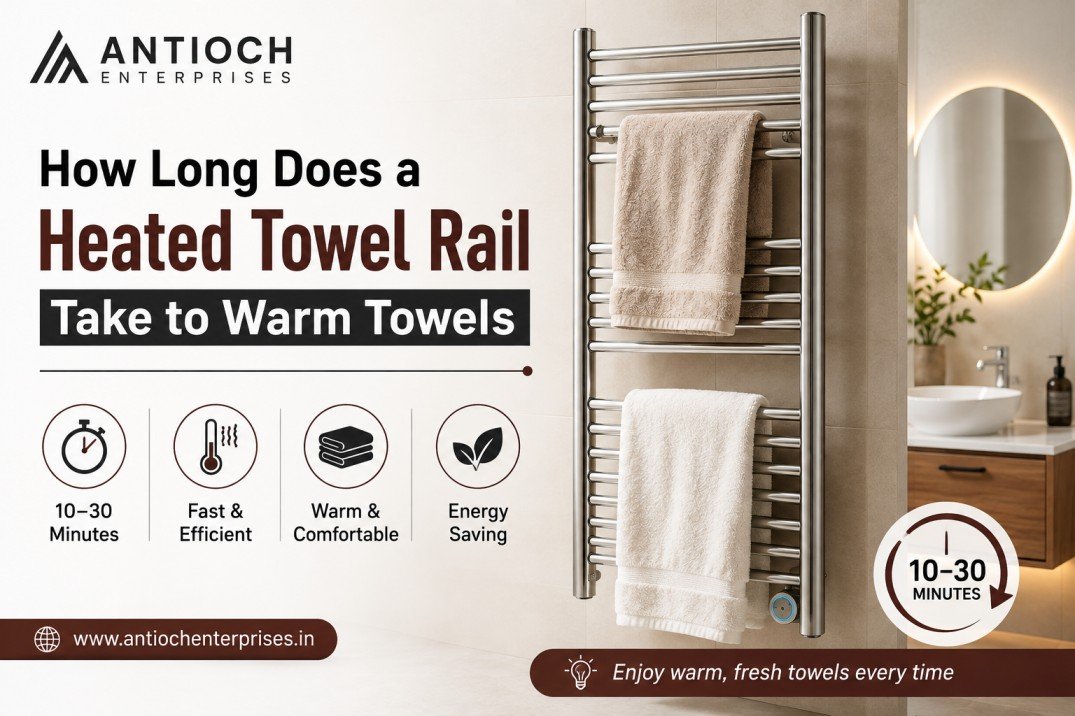
How Long Does a Heated Towel Rail Take to Warm Towels? Complete Guide
Stepping out of a hot shower into a cold, damp towel is one of the small annoyances that a lot of homeowners are quietly done with. That’s exactly why more people across North America, including a growing number of Canadian households, are asking one simple question: how long does a heated towel rail warm towels in real everyday use? The honest answer depends on a mix of wattage, room temperature, and the type of unit you own, and this guide breaks it all down in plain, practical terms.
What Determines Towel Warmer Heating Time?
Not every rail heats at the same speed, and that’s normal. The towel warmer heating time is shaped by three main factors: the wattage of the heating element, whether the unit is electric, hydronic, or dual-fuel, and the ambient temperature of your bathroom. A higher-wattage electric model in a well-insulated bathroom will always outperform a low-wattage unit in a drafty space.
Material also plays a quiet but important role here. Stainless steel bars conduct and retain heat more evenly than cheaper alloys, which means towels warm up faster and stay warm longer once the rail reaches operating temperature. If you’ve ever wondered why two rails that look identical perform so differently, this is usually the reason.
Average Heated Towel Rail Warm Towels Timeline
Most standard electric models take between 10 to 20 minutes to reach a comfortable, towel-drying warmth from a cold start. Higher-wattage units, especially those built for larger bathrooms, can shave this down to as little as 8 to 12 minutes. If you’re specifically comparing how a heated towel rail warm towels, this range is the realistic benchmark to keep in mind rather than manufacturer marketing claims.
Dual-bar and multi-bar rails, which hold more towels at once, generally take a little longer simply because there’s more surface area to heat. This isn’t a flaw, it’s physics, and it’s worth factoring in when you’re choosing between a slim single bar and a wider ladder-style rail for a family bathroom.
Electric Towel Warmer vs Traditional Radiators: Speed Comparison
An electric towel warmer almost always beats a traditional hydronic or plumbed-in radiator when it comes to raw speed. Electric units heat directly through an internal element, so there’s no waiting on a boiler or central heating system to kick in first. This makes them especially popular in Canadian homes during long winters, where instant warmth matters more than ever.
Hydronic rails, on the other hand, rely on your home’s central heating loop, which means their warm-up time is tied to how quickly your boiler responds. They can be more energy-efficient over long periods, but they simply aren’t built for the fast, on-demand warmth that busy mornings call for.
How to Make Towel Rail Heat Faster (5 Quick Tips)
If your current rail feels sluggish, there are a few simple ways to figure out how to make towel rail heat faster without replacing the whole unit. First, keep the bathroom door closed while it’s running so heat isn’t escaping into the hallway. Second, avoid overloading the bars with too many thick towels, since this traps cold air against the surface.
Third, check that the unit isn’t tucked behind a shower curtain, cabinet, or other obstruction that’s blocking natural heat circulation. Fourth, dust and lint buildup around the heating element can slow performance, so a quick wipe-down every few weeks helps a lot. Finally, if your rail is over 8 to 10 years old, the internal element may simply be wearing out, and upgrading to a newer, more efficient model is often the fastest fix of all.
Why Canadian Homes Are Turning to Electric Towel Warmers
Winters in Canada are long, and bathrooms are often the coldest room in the house once the shower stops running. This is a big reason electric towel rails have become a genuine trend rather than a luxury add-on, especially in provinces where indoor humidity control matters for both comfort and mold prevention.
Beyond comfort, Canadian buyers are increasingly drawn to the hygiene side of things. A rail that dries towels quickly means less time spent damp, which naturally cuts down on the musty smell and bacteria growth that thrive in cold, humid bathrooms. It’s a small upgrade that solves a problem most people didn’t realize they’d been living with for years.
Factors That Slow Down Electric Towel Warmer Heating Time
Even the best-built rail can underperform if it’s installed or used incorrectly. Poor bathroom insulation, drafty windows, and low ambient room temperature all extend electric towel warmer heating time significantly, sometimes doubling the wait compared to a well-sealed space. Voltage fluctuations in older homes can also cause inconsistent heating cycles.
Placement matters just as much as the unit itself. A rail installed far from the shower area, or one mounted on an exterior wall without proper backing insulation, will lose heat faster than one placed on an interior wall closer to where towels are actually used.
Choosing the Right Heated Towel Rail for Faster, Lasting Warmth
Getting fast, reliable warmth ultimately comes down to picking a well-engineered unit rather than the cheapest option on the shelf. Antioch Enterprises designs its stainless steel heated towel rails with energy-efficient heating elements specifically built to reduce warm-up time while keeping running costs low, making them a practical fit for homes dealing with cold, humid bathrooms and long winter seasons.
Pricing Guide — What to Expect in 2026
| Type | Size | Price Range |
| Vertical Single Bar (Round) | 800mm–1200mm | ₹2,599 – ₹3,799 |
| Vertical Single Bar (Square) | 800mm–1200mm | ₹2,799 – ₹3,999 |
| Horizontal Single Bar (Round) | 450mm–850mm | ₹1,099 – ₹1,699 |
| Horizontal Single Bar (Square) | 450mm–850mm | ₹1,599 – ₹2,299 |
| Miter Joint Ladder Rail | 600×400mm | ₹6,100 – ₹8,600 |
| Miter Joint Ladder Rail | 800×500mm | ₹7,300 – ₹12,100 |
| Rail with Shelf | 600×500mm | ₹8,600 – ₹14,200 |
| Rail with Shelf | 900×500mm | ₹9,400 – ₹15,600 |
Frequently Asked Questions
1. How long does it take for a heated towel rail to get warm?
Most electric models take 10 to 20 minutes to reach a comfortable warmth, depending on wattage and room temperature.
2. Do heated towel rails use a lot of electricity?
No, most run on 50 to 150 watts, similar to a few household light bulbs, making them fairly economical for daily use.
3. Can I leave my electric towel warmer on all day?
Yes, most units are designed for continuous use and include safety features like thermostats to regulate temperature automatically.
4. Why is my towel warmer taking so long to heat up?
This is usually caused by low room temperature, an aging heating element, dust buildup, or poor placement away from the heat source.
5. Are heated towel rails worth it in cold climates like Canada?
Absolutely, they help combat damp, cold bathrooms during winter and reduce mold and bacteria growth caused by slow-drying towels.
6. What’s the difference between electric and hydronic towel warmers?
Electric units heat independently and warm up faster, while hydronic rails depend on your home’s central heating system.
7. How can I speed up my towel rail’s heating time?
Close the bathroom door, avoid overloading the bars, clean the unit regularly, and check for obstructions blocking heat flow.
Ready for Faster, Cozier Mornings?
A heated towel rail should feel like an upgrade, not a waiting game. If your current setup is leaving you standing around for warmth, it might be time to explore a model built for genuine speed and efficiency. Browse the collection, compare wattages, and pick a rail that actually keeps up with your morning routine.
Explore Related Articles:-
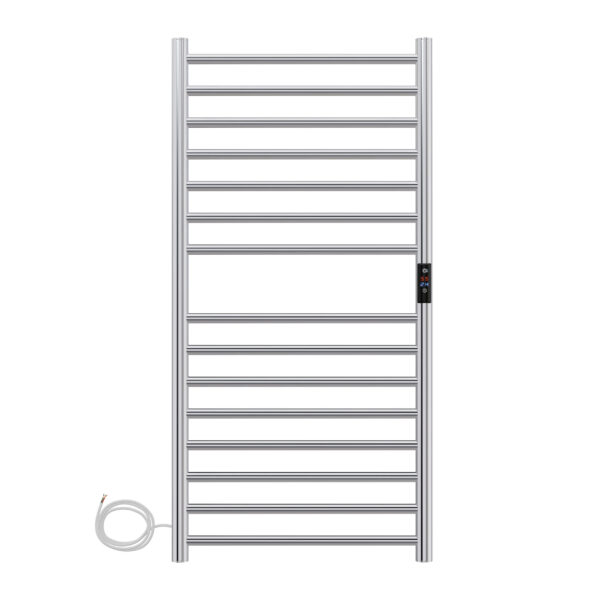

Premium SS Round Heated Towel Rail with Temperature & Timer Control


SS Round Heated Towel Rail – 1200mm x 425mm with Temperature & Timer Control


SS Square Heated Towel Rail – 520mm x 535mm with Temperature & Timer Control