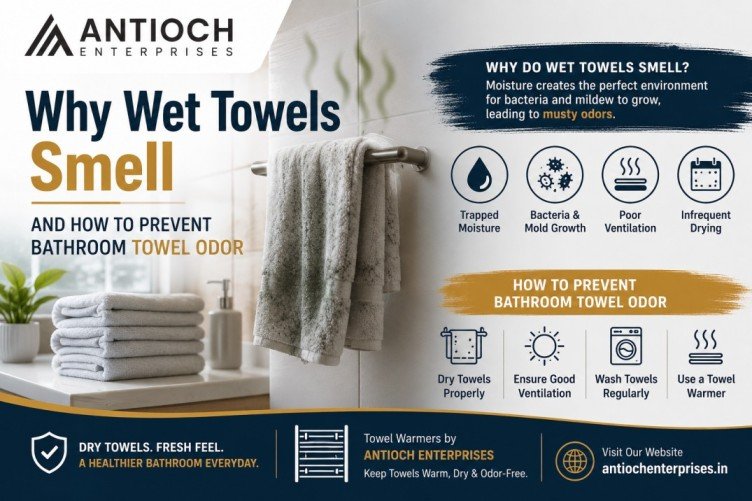
Why Wet Towels Smell and How to Prevent Bathroom Towel Odor
Nothing ruins a fresh shower faster than reaching for a towel that smells sour. If you have ever wondered why a towel that looked perfectly clean an hour ago suddenly reeks of mildew, you are not alone. This is one of the most common bathroom complaints across Canadian homes, especially during humid summers and cold, damp winters when towels struggle to dry properly. The good news is that Wet Towel Smell is completely preventable once you understand what causes it.
In this guide, we will break down the science behind the smell, share practical Bathroom Towel Odor Prevention tips, and show you exactly How to Dry Wet Towels Quickly so your bathroom always feels clean and inviting.
What Actually Causes That Musty Wet Towel Smell?
The smell is not caused by the towel itself, but by bacteria and mildew that grow in damp fabric fibers. Towels are made of absorbent cotton loops designed to trap moisture, but that same design also traps warmth and humidity, creating the perfect breeding ground for microorganisms.
When a towel is left folded, bunched up, or hung in a poorly ventilated space, air cannot circulate through the fibers. Moisture stays trapped for hours, sometimes days, giving bacteria plenty of time to multiply. This is why Wet Towel Smell often develops even when towels look visibly clean and are used only once or twice.
Hard water, leftover detergent residue, and using too much fabric softener can also worsen the problem. Softener coats the fibers with a waxy film that reduces absorbency and traps moisture instead of releasing it, making the smell return faster after every wash.
Bathroom Towel Odor Prevention: Small Habits, Big Difference
Preventing odor does not require expensive products, just a few consistent habits. Start by giving your towels proper airflow immediately after use instead of leaving them crumpled on a hook or the floor. Spreading the towel out flat allows moisture to evaporate rather than sit trapped in the folds.
Good Bathroom Towel Odor Prevention also means rethinking how often you wash towels. Bath towels should ideally be washed every three to four uses, while towels used in humid climates or during Canadian winters when indoor heating increases moisture may need washing even sooner.
Ventilation plays a bigger role than most people realize. Bathrooms without windows or exhaust fans hold onto humidity long after a shower ends, which slows drying and speeds up bacterial growth. Running an exhaust fan for fifteen to twenty minutes after every shower can dramatically reduce lingering dampness.
Washing towels in hot water, using half the recommended detergent, and skipping fabric softener altogether are simple laundry adjustments that noticeably reduce odor buildup over time.
How to Dry Wet Towels Quickly and Keep Them Odor-Free
Slow drying is the single biggest reason towels start to smell, so learning How to Dry Wet Towels Quickly is essential, especially in colder regions where line-drying outdoors is not always practical. Spacing towels out on multiple hooks or bars instead of stacking them allows air to reach every fold.
A heated towel bar or rail is one of the most effective long-term solutions, particularly for homes across Canada dealing with cold, humid basements or enclosed bathrooms. Gentle, consistent warmth speeds up evaporation far more effectively than a regular towel hook, cutting drying time significantly while keeping fabric soft.
If you do not have access to a heated rail, a small dehumidifier or portable fan aimed at the towel can help mimic the same effect. The goal is always the same: move air, remove humidity, and prevent moisture from sitting still for too long.
Rotating between two or three towels also gives each one enough time to dry completely between uses, which is far more effective than washing a single damp towel more often.
How to Keep Towels Fresh Between Washes
Once a towel is properly dry, keeping it that way is the key to lasting freshness. How to Keep Towels Fresh starts with storage. Towels should never be stored while even slightly damp, since folding traps residual moisture inside the layers, restarting the odor cycle within hours.
Natural odor absorbers like baking soda added to the wash cycle, or an occasional white vinegar rinse, help break down bacterial buildup without harsh chemicals. This is especially useful for households that prefer gentler, eco-friendly cleaning routines.
Sunlight is another powerful, completely free tool. UV rays naturally kill odor-causing bacteria, so hanging towels outside or near a bright window whenever possible adds an extra layer of freshness that indoor drying alone cannot match.
Investing in better bathroom infrastructure also makes a lasting difference. Brands like Antioch Enterprises design heated towel rail solutions specifically to solve the slow-drying, high-humidity problems common in modern bathrooms, helping towels dry evenly instead of unevenly along folded edges.
When It’s Time to Deep Clean or Replace Your Towels
Sometimes regular washing is not enough. If a musty smell returns within minutes of drying, bacteria may already be deeply embedded in the fibers. A deep clean using hot water, oxygen-based bleach, and an extra rinse cycle can usually restore freshness.
If odor persists even after deep cleaning, or if towels feel stiff, thin, or discolored, it may simply be time to replace them. Towels typically lose their absorbency and antibacterial resistance after two to three years of regular use, making replacement a practical long-term solution rather than a repeated laundry struggle.
For households that want a more permanent fix, upgrading bathroom setups with better ventilation and heated drying solutions from brands such as Antioch Enterprises can prevent the problem from returning altogether, rather than just masking it temporarily.
Simple Daily Routine for Odor-Free Towels
A consistent, low-effort routine keeps towels smelling fresh without extra work. Hang towels flat immediately after use, run the bathroom fan for a few minutes afterward, wash every three to four uses in hot water with minimal detergent, and allow full drying time before folding or storing. Small, repeated habits prevent the buildup that leads to strong, unpleasant odors.
Choosing quality bathroom accessories also supports these habits naturally. Homes across Canada increasingly rely on heated rails from companies like Antioch Enterprises to maintain consistent warmth and airflow, making odor-free towels far easier to achieve without constant effort.
Pricing Guide — What to Expect in 2026
| Type | Size | Price Range |
| Vertical Single Bar (Round) | 800mm–1200mm | ₹2,599 – ₹3,799 |
| Vertical Single Bar (Square) | 800mm–1200mm | ₹2,799 – ₹3,999 |
| Horizontal Single Bar (Round) | 450mm–850mm | ₹1,099 – ₹1,699 |
| Horizontal Single Bar (Square) | 450mm–850mm | ₹1,599 – ₹2,299 |
| Miter Joint Ladder Rail | 600×400mm | ₹6,100 – ₹8,600 |
| Miter Joint Ladder Rail | 800×500mm | ₹7,300 – ₹12,100 |
| Rail with Shelf | 600×500mm | ₹8,600 – ₹14,200 |
| Rail with Shelf | 900×500mm | ₹9,400 – ₹15,600 |
Frequently Asked Questions
1. Why do my towels smell bad even after washing?
Leftover detergent residue, hard water minerals, or incomplete drying can trap bacteria in the fibers, causing odor to return shortly after washing.
2. How often should bath towels be washed to avoid odor?
Most experts recommend washing bath towels every three to four uses, or sooner in humid or poorly ventilated bathrooms.
3. Does fabric softener cause towels to smell?
Yes, fabric softener coats fibers with a residue that reduces absorbency and traps moisture, which can accelerate bacterial growth and odor.
4. What is the fastest way to dry a towel without a dryer?
Spreading the towel flat, increasing airflow with a fan, and using a heated towel rail are among the fastest non-machine drying methods.
5. Can vinegar or baking soda remove towel odor?
Yes, both are natural, effective odor absorbers that help break down bacterial buildup when added to a regular wash cycle.
6. Why do towels smell worse in winter?
old, humid indoor air common during Canadian winters slows evaporation, giving bacteria more time to grow before towels fully dry.
7. How long do towels typically last before they need replacing?
With regular use and proper care, towels usually last two to three years before losing absorbency and becoming prone to persistent odor.
Explore Related Articles:-
Towel Warmer vs Towel Rack Which Is Better for Your Bathroom
Towel Warmer Size Guide Choose the Right Bathroom Size
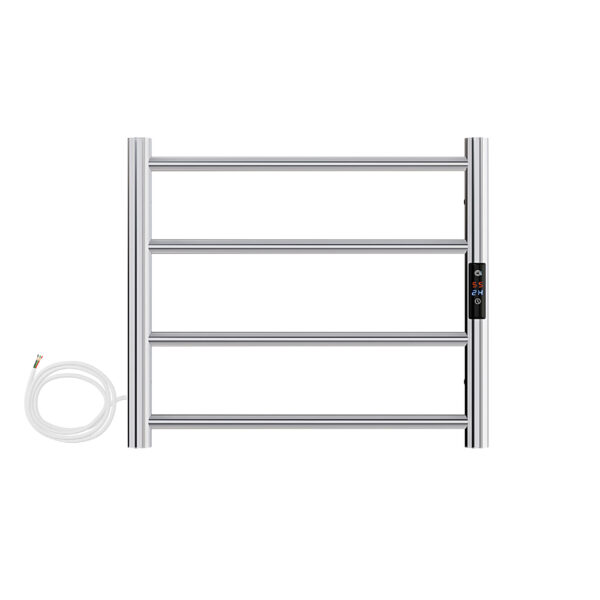
SS Round Heated Towel Rail – 520mm x 600mm with Temperature & Timer Control
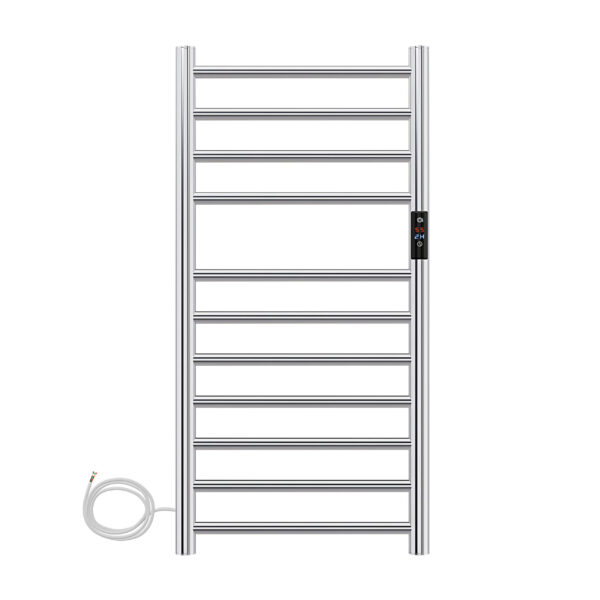

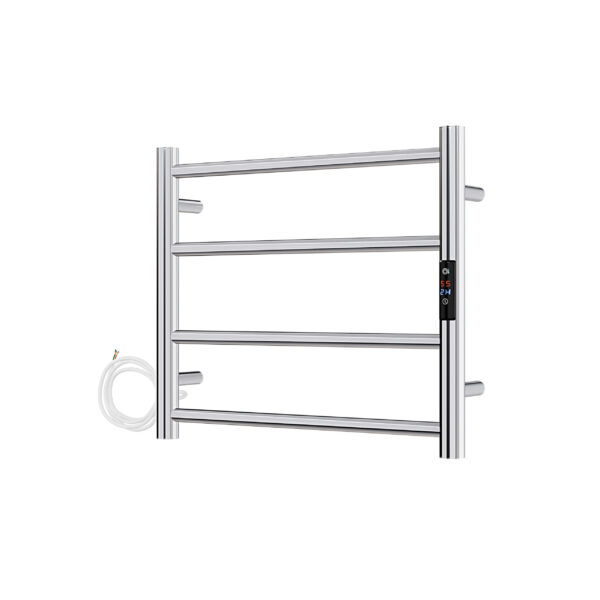
SS Round Heated Towel Rail – 800mm x 400mm with Temperature & Timer Control