
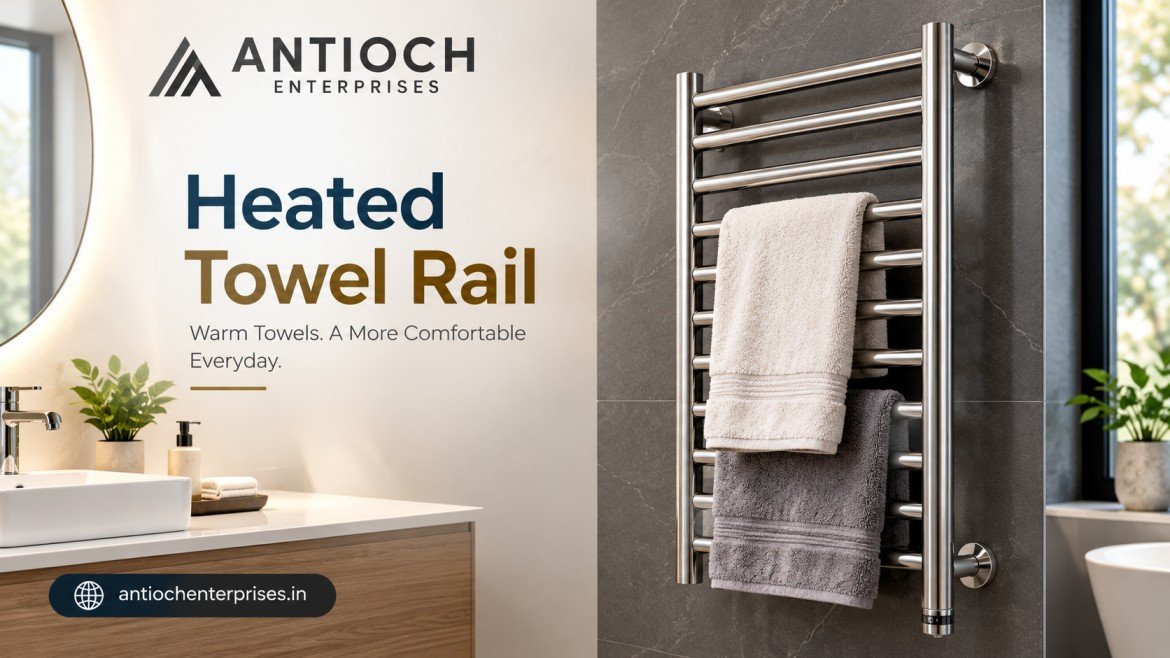
Heated Towel Rails: How Energy Efficient Are They for Bathrooms?
A warm, dry towel can make an ordinary shower feel much more comfortable, especially during cold Canadian mornings. As homeowners look for practical bathroom upgrades, heated towel rails are becoming an attractive option for improving comfort without needing to heat the entire room.
But one important question remains: Are heated towel rails energy efficient? The answer depends on the rail’s wattage, operating time, thermostat settings, insulation, and how often it is used. With the right model and sensible usage habits, a heated towel rail can provide everyday comfort while keeping electricity consumption relatively controlled.
What Makes a Heated Towel Rail Energy Efficient?
Unlike a whole-room heater, a towel rail is designed to warm towels and provide gentle heat in a limited area. This means it generally requires much less electricity than appliances designed to heat an entire bathroom.
An Energy Efficient Heated Towel Rail can be particularly useful when you want dry towels without increasing the temperature of the complete room. Modern models may also include temperature controls, timers, and other features that help prevent unnecessary operation.
For Canadian homes, this can be useful during colder months when damp towels can take longer to dry naturally.
How Does a Heated Towel Rail Use Electricity?
The electricity consumed by a towel rail mainly depends on its power rating and the number of hours it operates.
For example, a 100-watt rail running continuously for one hour uses approximately 0.1 kWh of electricity. If it operates for three hours, consumption would be approximately 0.3 kWh.
The actual cost depends on your local electricity rate. Canadian electricity prices vary by province, utility, time of use, and household plan, so the same towel rail can have different running costs in different locations.
A simple calculation is:
Energy consumption = Power rating in kW × Operating hours
This makes it easier for homeowners to estimate potential electricity use before choosing a model.
Electric Heated Towel Rail vs Traditional Heating
An Electric Heated Towel Rail has a specific purpose: warming and drying towels. A central heating system or portable heater, by comparison, is intended to influence the temperature of a much larger space.
This difference matters when considering energy efficiency. If your bathroom is already comfortably heated, switching on a small electric towel rail for a limited period can provide additional towel-drying comfort without requiring extra room heating.
However, a towel rail should not be treated as a replacement for the bathroom’s required heating system. Its primary role is towel warming and drying.
What Is Heated Towel Rail Energy Consumption?
Heated Towel Rail Energy Consumption is affected by several factors, including wattage, usage duration, thermostat operation, and the number of towels placed on the rail.
A rail that runs for one or two hours a day will naturally use less electricity than one left switched on all day. Timer controls can therefore make a significant practical difference.
For example, if a 100-watt rail operates for two hours each day:
100 watts = 0.1 kW
0.1 kW × 2 hours = 0.2 kWh per day
Over 30 days, that would be approximately 6 kWh, assuming the appliance operates at its rated power for the full period.
Actual consumption may differ depending on the model and whether thermostatic controls cycle the heating element on and off.
Are Heated Towel Rails Suitable for Canadian Bathrooms?
Canada has a wide range of climates, from relatively mild coastal regions to areas that experience long and severe winters. In colder conditions, towels may remain damp for longer after bathing.
A heated towel rail can help reduce this problem by providing gentle, consistent warmth. It can also make bathrooms feel more comfortable without requiring homeowners to increase the heating level throughout the property.
For apartments, condos, family homes, hotels, and guest bathrooms, the combination of towel drying and convenience can make a heated rail a practical addition.
How to Reduce Electricity Use From a Towel Rail
Choosing an efficient product is only one part of reducing energy consumption. How you operate the rail is equally important.
1. Use a Timer
A timer can prevent the rail from running unnecessarily. Instead of leaving it switched on for the entire day, you can schedule operation around showering and bathing routines.
2. Select the Appropriate Temperature
Higher temperatures are not always necessary. A moderate heat setting can provide comfortable towel warming while avoiding unnecessary energy use.
3. Avoid Leaving It On Continuously
If towels are already dry and warm, continuous operation may not provide much additional benefit. Switching the rail off when it is not required can reduce electricity consumption.
4. Do Not Overload the Rail
Towels need enough space for air to circulate. Overlapping several wet towels tightly can reduce drying efficiency and may require longer operating periods.
5. Choose the Correct Size
A larger rail is not automatically more efficient. Select a size and power rating that match the number of towels and the available bathroom space.
Does a Timer Make a Heated Towel Rail More Efficient?
A timer does not necessarily change the electrical efficiency of the heating element itself. Instead, it helps control how long the appliance operates.
This distinction is important. An efficient heating appliance can still consume unnecessary electricity if it remains switched on for long periods when nobody needs it.
For homeowners who follow a regular bathing schedule, timed operation can make the rail easier to manage. Some modern products also offer thermostatic control, which can help maintain a suitable temperature rather than constantly heating at full output.
What Should You Look for When Buying a Heated Towel Rail?
Design is important in a modern bathroom, but energy-related features should also be considered.
Look for:
- Appropriate wattage for your bathroom and towel requirements
- Timer or programmable controls
- Temperature control
- Good-quality heating components
- Durable construction
- Suitable bathroom electrical protection
- Easy installation and maintenance
- A size that matches your available wall space
For Canadian homes, also consider the bathroom’s existing electrical setup and local installation requirements. Electrical work in wet areas should be completed according to applicable local codes and, where required, by a qualified professional.
Can a Heated Towel Rail Help Towels Dry Faster?
One of the main benefits of a heated rail is its ability to provide warmth around wet towels. This can help them dry more quickly than they might on an ordinary towel hook, particularly when bathroom ventilation and natural drying conditions are limited.
Faster drying can also make the bathroom feel more organized because damp towels do not need to remain hanging for extended periods.
Good ventilation is still important. A towel rail should work alongside an effective bathroom exhaust fan or ventilation system rather than being considered a substitute for ventilation.
Heated Towel Rails and Modern Bathroom Design
Modern bathrooms increasingly combine functionality with minimal design. Heated towel rails can fit into this approach because they provide a useful everyday function while taking up relatively little wall space.
Different finishes, shapes, sizes, and mounting styles are available, allowing homeowners to select a rail that complements their bathroom fixtures.
For renovations and new builds, the rail can also be planned alongside other bathroom features to create a cleaner and more convenient layout.
Are Heated Towel Rails Expensive to Run?
There is no single running cost that applies to every home. A low-wattage rail used for a short period each day will naturally consume less electricity than a higher-powered model running continuously.
The easiest way to estimate cost is to check the product’s wattage, calculate expected daily operating hours, and multiply the resulting kWh by your electricity rate.
Homeowners should also remember that energy efficiency is not only about the lowest possible electricity bill. A product that provides useful towel drying and comfort with controlled energy use can offer practical value as part of a modern bathroom.
Are Heated Towel Rails Worth Considering for Modern Bathrooms?
A heated towel rail can be a practical bathroom improvement when it is selected according to actual household needs. The key is to choose an appropriate wattage, use timer or temperature controls where available, and avoid unnecessary operating hours.
For Canadian households dealing with cold weather and slower natural towel drying, this type of bathroom accessory can add everyday convenience. It can also support a more organized bathroom by giving wet towels a dedicated heated drying area.
The most important point is to think about usage rather than simply choosing the highest-powered model. Efficient operation comes from matching the product to your needs and controlling when it runs.
Pricing Guide — What to Expect in 2026
| Type | Size | Price Range |
| Vertical Single Bar (Round) | 800mm–1200mm | ₹2,599 – ₹3,799 |
| Vertical Single Bar (Square) | 800mm–1200mm | ₹2,799 – ₹3,999 |
| Horizontal Single Bar (Round) | 450mm–850mm | ₹1,099 – ₹1,699 |
| Horizontal Single Bar (Square) | 450mm–850mm | ₹1,599 – ₹2,299 |
| Miter Joint Ladder Rail | 600×400mm | ₹6,100 – ₹8,600 |
| Miter Joint Ladder Rail | 800×500mm | ₹7,300 – ₹12,100 |
| Rail with Shelf | 600×500mm | ₹8,600 – ₹14,200 |
| Rail with Shelf | 900×500mm | ₹9,400 – ₹15,600 |
Frequently Asked Questions
1. Are heated towel rails energy efficient?
Yes, they can be relatively energy efficient when used correctly. Their electricity consumption depends on wattage, operating time, thermostat settings, and usage habits. Timer-controlled operation can help avoid unnecessary energy use.
2. How much electricity does an electric heated towel rail use?
Electricity consumption depends on the rail’s wattage and operating hours. For example, a 100-watt unit operating for two hours uses approximately 0.2 kWh. Actual consumption can vary based on thermostat cycling and the specific product.
3. Is an electric heated towel rail suitable for Canadian winters?
Yes. It can be useful for warming and drying towels during colder months. However, it should complement rather than replace the bathroom’s primary heating and ventilation systems.
4. Can I leave a heated towel rail on all day?
Some products may be designed for extended operation, but continuous use is not always necessary. Using a timer or switching the rail off when towels are dry can help reduce unnecessary electricity consumption.
5. Does a heated towel rail heat the bathroom?
A heated towel rail can provide some local warmth, but its primary purpose is to warm and dry towels. It should not generally be relied upon as the main heating source for a bathroom.
6. What wattage is suitable for a heated towel rail?
The suitable wattage depends on the rail’s size, towel capacity, bathroom requirements, and intended operating schedule. A lower-powered model may be sufficient for basic towel warming, while larger installations may require more power.
7. How can I reduce heated towel rail energy consumption?
Use a timer, choose an appropriate temperature, avoid unnecessary continuous operation, allow towels enough space for airflow, and select a model with a suitable power rating. These simple practices can help control electricity use.
Make Your Bathroom More Comfortable With Smarter Heating
Choosing the right towel rail is about more than adding warmth to your bathroom. It is about finding the right balance between comfort, drying performance, design, safety, and electricity use.
If you are planning a bathroom upgrade in Canada or looking for practical towel-warming solutions for residential or hospitality spaces, explore suitable heated towel rail options and select a model according to your space and daily requirements.
For modern bathroom heating and towel-drying solutions, Antioch Enterprises offers heated towel rails and electric towel-warming products designed for contemporary bathroom applications. Antioch Enterprises can help buyers explore suitable options based on bathroom requirements, installation needs, and preferred design. For product guidance and available solutions, contact Antioch Enterprises to discuss your requirements. Choose Antioch Enterprises for practical heated towel rail solutions designed to bring comfort and convenience to modern bathrooms.
Explore Related Articles:-
Heated Towel Rail in India Installation Guide 2026 Easy Steps
Electric Towel Warmer Price List India 2026 All Sizes Compared
Smart Heated Towel Rails 2026: App & Voice-Controlled Bathroom Heating
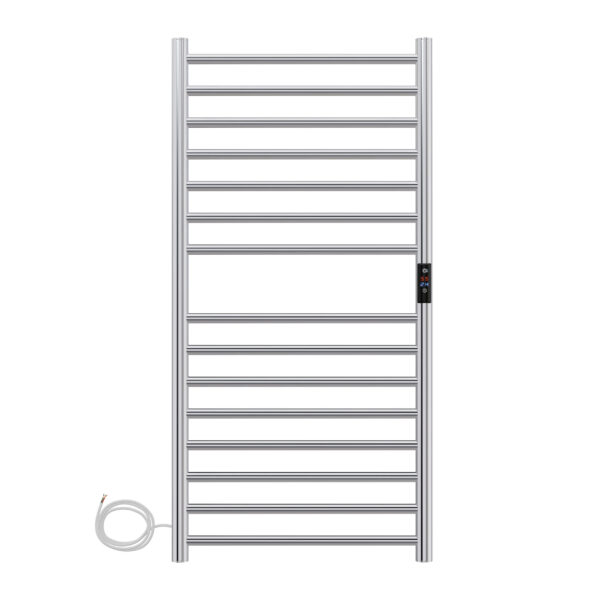

Premium SS Round Heated Towel Rail with Temperature & Timer Control


SS Round Heated Towel Rail – 1200mm x 425mm with Temperature & Timer Control


SS Round Heated Towel Rail – 1200mm x 500mm with Temperature & Timer Control
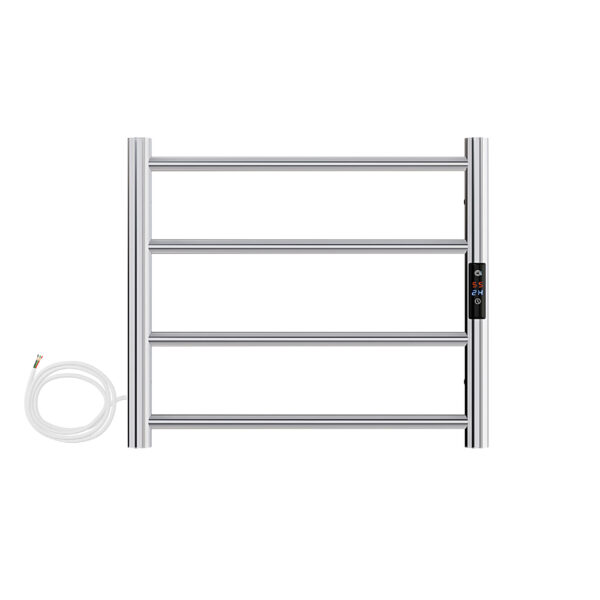
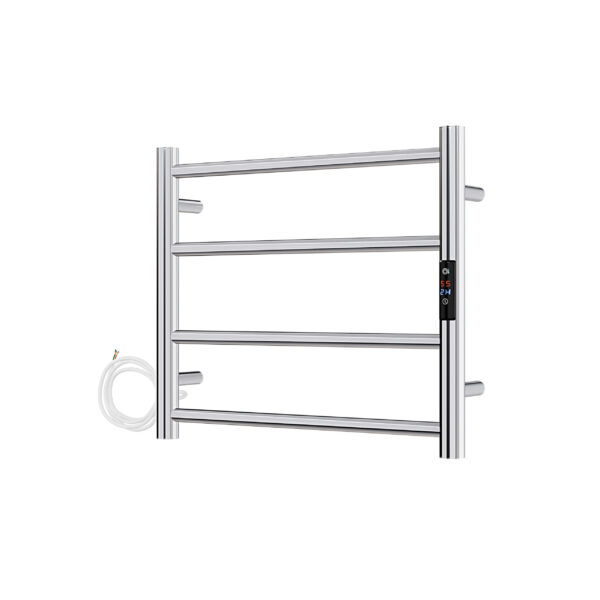
SS Round Heated Towel Rail – 520mm x 600mm with Temperature & Timer Control
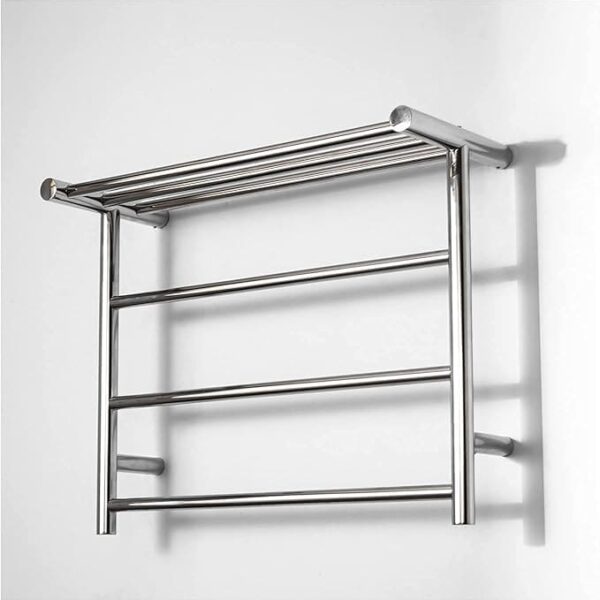
SS Round Heated Towel Rail – 600mm x 500mm x 250mm with Shelf
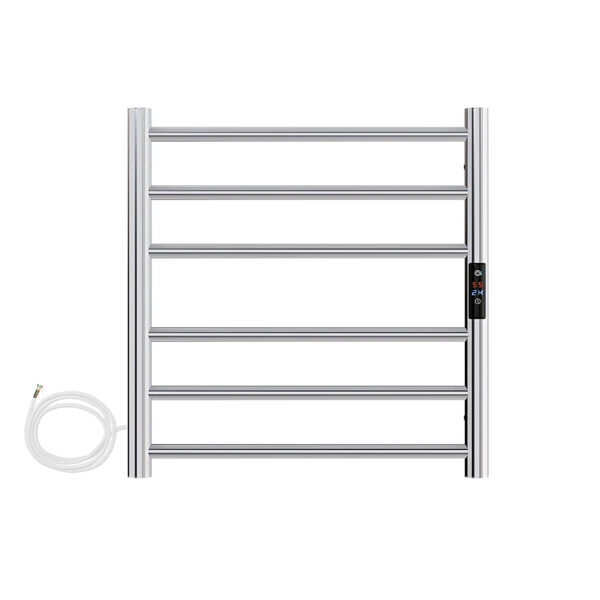
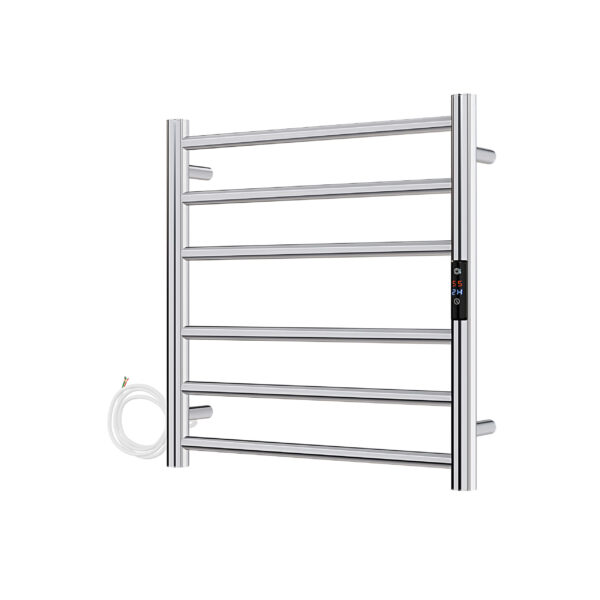
SS Round Heated Towel Rail – 620mm x 600mm with Temperature & Timer Control
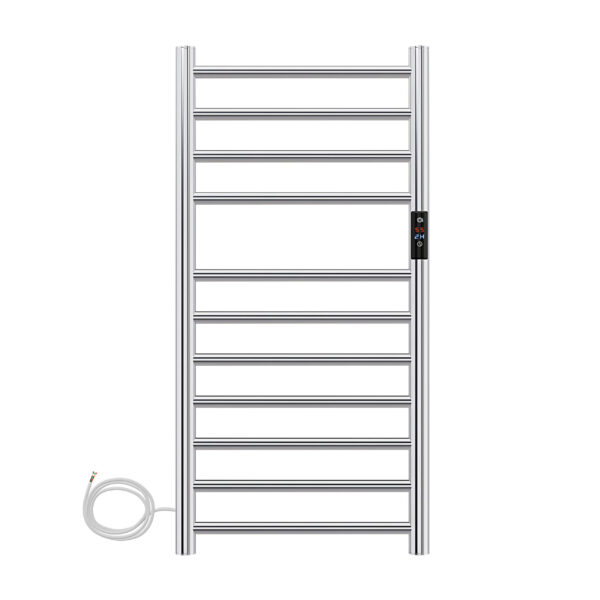

SS Round Heated Towel Rail – 800mm x 400mm with Temperature & Timer Control


SS Round Heated Towel Rail – 800mm x 500mm with Temperature & Timer Control

SS Round Heated Towel Rail – 900mm x 500mm x 250mm with Shelf

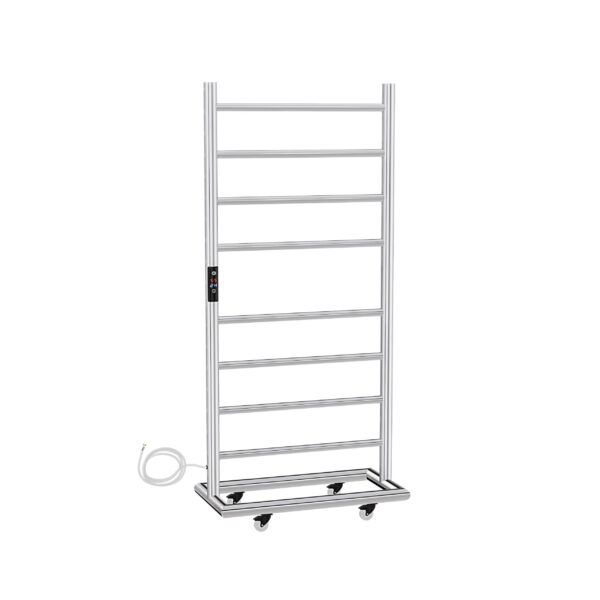
SS Round Heated Towel Rail –Free Standing 1100mm x 500mm with Temperature & Timer Control

SS Round Heated Towel Rail Horizontal Single Bar – 3 Sizes

SS Round Heated Towel Rail Vertical Single Bar – 2 Sizes

SS Round Miter Joint Heated Towel Rail – 600mm x 400mm

SS Round Miter Joint Heated Towel Rail –800mm x 500mm


SS Square Heated Towel Rail – 520mm x 535mm with Temperature & Timer Control

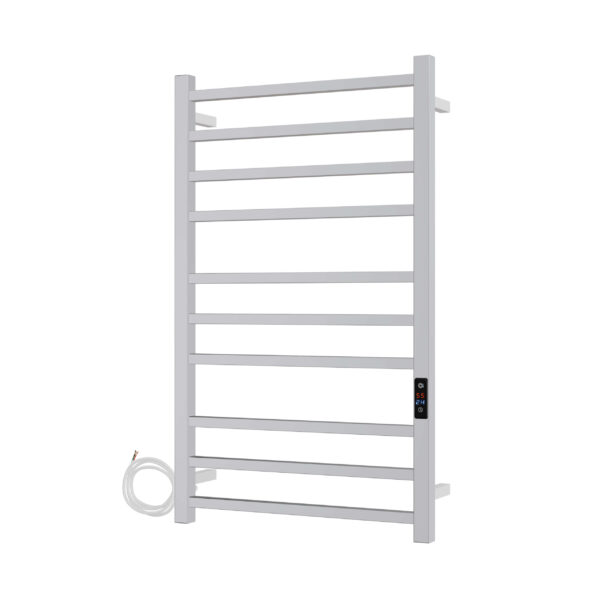
SS Square Heated Towel Rail – 876mm x 535mmwith Temperature & Timer Control
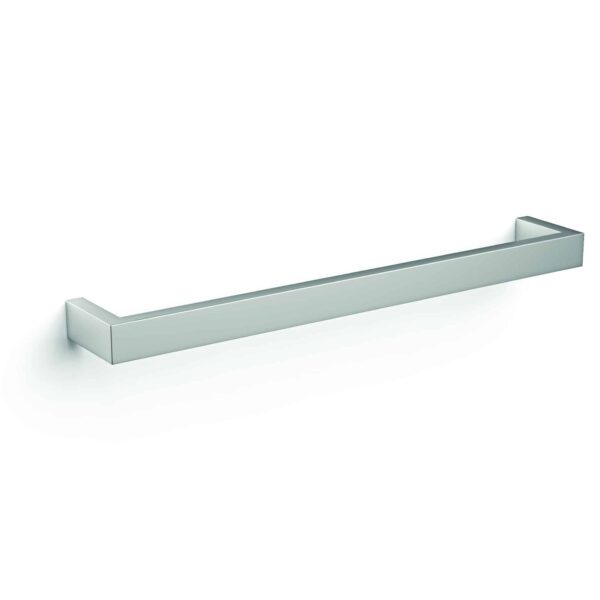
SS Square Heated Towel Rail Horizontal Single Bar – 3 Sizes
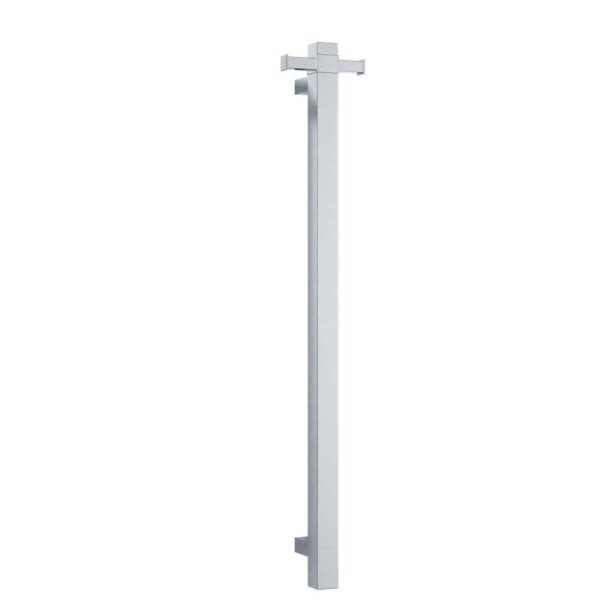
SS Square Heated Towel Rail Vertical Single Bar – 2 Sizes
Premium SS Round Heated Towel Rail with Temperature & Timer Control
SS Round Heated Towel Rail – 1200mm x 425mm with Temperature & Timer Control
SS Round Heated Towel Rail – 800mm x 400mm with Temperature & Timer Control
SS Round Heated Towel Rail Vertical Single Bar – 2 Sizes
SS Round Miter Joint Heated Towel Rail – 600mm x 400mm
SS Square Heated Towel Rail – 520mm x 535mm with Temperature & Timer Control