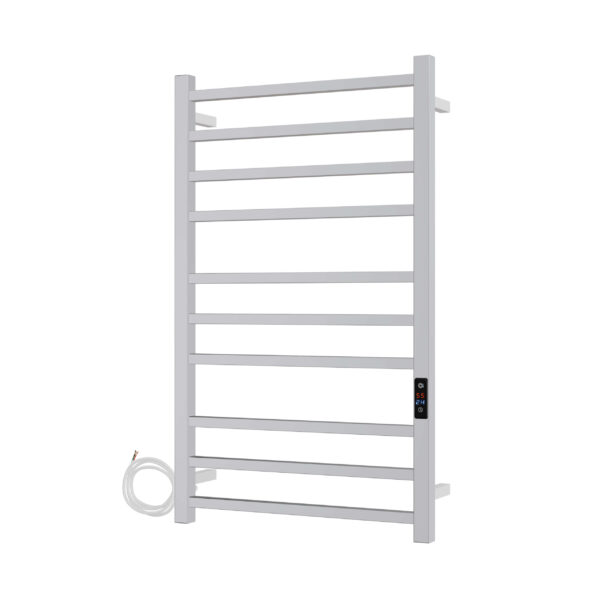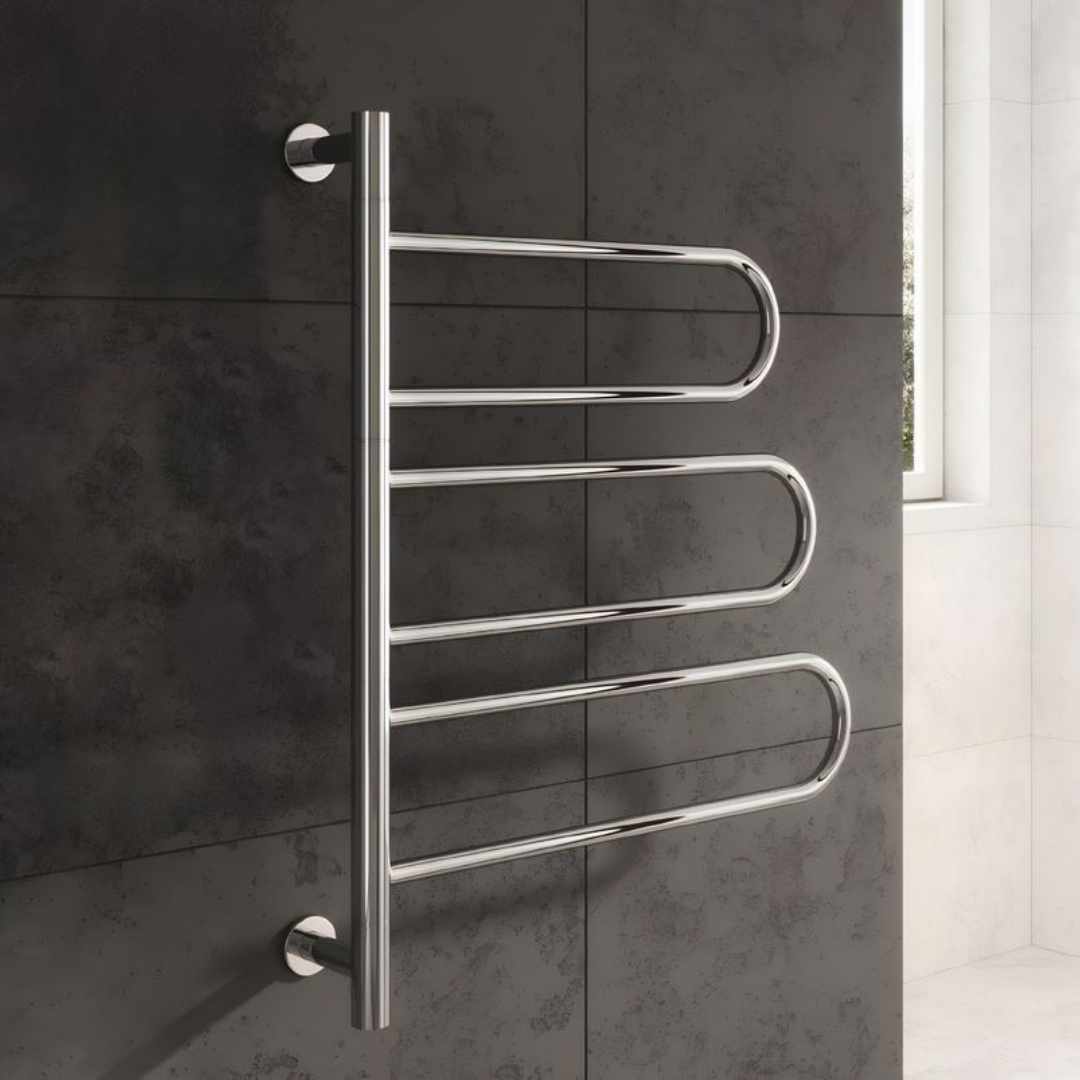
Stepping out of a hot shower and reaching for a cold, damp towel is one of those small everyday annoyances that can quietly ruin an otherwise relaxing routine. It’s exactly why more Indian homeowners are searching for Heated Towel Rack vs Heated Towel Rail comparisons before they renovate or upgrade their bathrooms. The two terms get thrown around like they mean the same thing, but once you dig a little deeper, you’ll find real differences in how they install, how they look, and how they fit into your daily life. This guide from Antioch Enterprises breaks it all down in plain, simple language so you can make a confident choice.
Why Everyone’s Suddenly Talking About Warm Towels
Bathrooms in India have changed a lot in the last few years. What used to be a purely functional space is now treated like a mini wellness zone, and small comfort upgrades — a warm towel, better lighting, a cleaner layout — make a noticeable difference. That shift is exactly why the Difference Between Heated Towel Rack and Heated Towel Rail has become such a common search. People aren’t just buying a product; they’re trying to understand which option actually suits their home, their budget, and how long they plan to live there.
What Exactly Is a Heated Towel Rack?
Think of a Heated Towel Rack as the flexible, no-fuss option. It’s usually a freestanding or lightly mounted unit that plugs straight into a wall socket — no rewiring, no drilling into tiled walls, no electrician visit required in most cases. This makes it a favourite among:
- People living in rented apartments
- Homeowners who want a quick upgrade without renovation
- Anyone with a compact bathroom who still wants warm, dry towels
Because it isn’t permanently fixed, a heated rack can move with you. Shifting cities or just rearranging your bathroom layout? Unplug it, pack it, and set it up again wherever you land.
What Exactly Is a Heated Towel Rail?
A Heated Towel Rail, on the other hand, is built for the long haul. It’s a wall-mounted fixture — usually a series of horizontal bars — that’s either wired directly into your electrical system or connected to your home’s central heating (in hydronic versions). This is the option most people choose when they’re:
- Renovating a bathroom from scratch
- Building a new home
- Looking for a permanent, seamless design feature rather than an add-on gadget
Heated rails tend to come in a wider variety of finishes too — stainless steel, chrome, and brass are all common — which makes them easier to match with an existing bathroom aesthetic.
Heated Towel Rack vs Heated Towel Rail: Breaking Down the Real Differences
Here’s where the comparison really matters. While both products do the same basic job — warming and drying your towels — the experience of owning one is quite different.
Installation: A rack is plug-and-play. A rail typically needs professional installation, whether that’s an electrician for wiring or a plumber for hydronic connections.
Portability: Racks travel with you. Rails stay with the house, adding value to the property rather than to your personal belongings.
Design integration: Rails are designed to blend into the bathroom as a fixed architectural element. Racks are more utilitarian, prioritising function over seamless design.
Cost over time: Racks generally have a lower upfront cost, while rails represent a bigger investment upfront but often last longer and add resale value to a home.
Power and heating consistency: Wired rails tend to offer steadier, more consistent warmth across the full surface, while smaller plug-in racks may take a little longer to heat evenly.
Which One Actually Fits Your Bathroom?
This is the question that matters most, and it really comes down to three things: ownership, space, and how permanent you want the setup to be.
If you’re renting, or you simply don’t want to deal with wiring and installation costs, a Heated Towel Rack is almost always the smarter, lower-commitment choice. It gets the job done without any structural changes to your bathroom.
If you’re in the middle of a renovation, building a new home, or simply want a polished, built-in look that adds long-term value, a Heated Towel Rail is worth the extra upfront cost. It becomes part of the bathroom itself rather than an accessory sitting inside it.
Space also plays a role. Smaller bathrooms — especially in urban apartments — often do better with a compact rack that doesn’t eat into limited wall space. Larger, renovated bathrooms can comfortably accommodate a full-sized rail without feeling cramped.
Style, Safety, and Everyday Practicality
Beyond installation, a few practical details are worth considering before you buy either option.
Finish and material: Stainless steel resists corrosion well, which matters a lot in India’s humid, monsoon-heavy climate. Chrome offers a sleek, reflective look but may show water spots more easily.
Safety features: Look for overheat protection and waterproof ratings on both racks and rails — this is non-negotiable for any electrical appliance used in a bathroom.
Timer and thermostat controls: Many modern units, whether rack or rail, now come with adjustable timers and temperature settings, letting you avoid unnecessary electricity use while still getting that warm-towel comfort exactly when you need it.
Maintenance: Both types are relatively low-maintenance, though rails with more visible bars may need slightly more regular wiping to stay spot-free.
It’s worth spending a few extra minutes comparing specifications before you buy, since the wattage, warranty, and waterproof rating listed on the box often matter more day-to-day than the finish or brand name printed on it. A well-made rack that lacks proper safety certification isn’t worth the savings, and neither is a rail that looks premium but skimps on heating consistency. Antioch Enterprises lists these details clearly on every product page, which makes side-by-side comparisons a lot easier for first-time buyers.
A Quick Buying Checklist Before You Decide
If you’re still weighing the Heated Towel Rack vs Heated Towel Rail decision, run through this short checklist before you make a purchase:
- Do you own or rent your home? Owners lean toward rails, renters lean toward racks.
- Is your bathroom small or spacious? Compact spaces usually favour a rack; larger layouts can handle a full rail comfortably.
- Is this a renovation or a quick upgrade? Renovations pair naturally with a permanent rail; a quick comfort fix is better suited to a plug-in rack.
- What’s your budget for this upgrade? Racks are typically lighter on the wallet upfront, while rails are a bigger one-time investment with longer-term payoff.
- How important is design continuity? If you want the fixture to visually disappear into the bathroom’s design, a rail usually blends in more seamlessly than a standalone rack.
Working through these questions honestly will usually point you toward the right answer faster than browsing endless product listings.
Making the Final Call
There’s no universally “better” option between a Heated Towel Rack and a Heated Towel Rail — it genuinely depends on your living situation. Renters and space-conscious buyers tend to lean toward racks for their flexibility and simple setup. Homeowners planning a renovation or new build usually find rails offer better long-term value and a more integrated, polished look.
Whichever direction you choose, the underlying benefit is the same: no colder, damp towels, less bathroom moisture, and a small daily comfort upgrade that makes a noticeable difference. If you’re exploring options, Antioch Enterprises offers a curated range of both styles, built with materials suited to Indian bathrooms and climate conditions, so you can find the right fit without guesswork.
Frequently Asked Questions
- Which is better — a heated towel rail or a heated towel rack?
Neither is universally “better” — a heated towel rail suits renovations and permanent installations, while a heated towel rack is ideal for renters or anyone wanting a flexible, no-installation option.
- Do heated towel racks use a lot of electricity?
Most models are low-wattage (typically 40–150W) and can be paired with a timer, so daily running costs are usually minimal compared to other bathroom appliances like a geyser.
- Can I install a heated towel rail myself, or do I need an electrician?
For safety and warranty reasons, it’s best to have a wired heated towel rail installed by a qualified electrician, especially since it’s used in a wet, humid environment. Plug-in rack models, by contrast, typically don’t require professional installation.
Looking for a heated towel solution built for Indian homes? Antioch Enterprises’ collection of heated towel racks and rails combines durable materials with safety-focused design, so warm, dry towels are always just a step away.
Explore Related Articles:-
Best Budget Heated Towel Rails Under ₹5,000 in India 2026
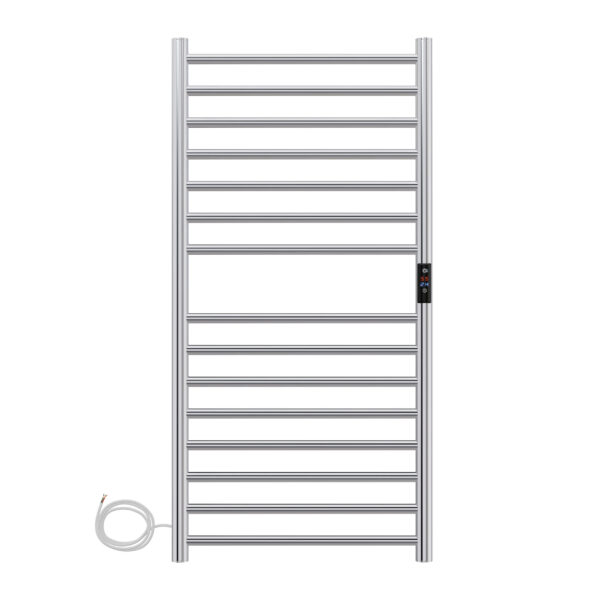

Premium SS Round Heated Towel Rail with Temperature & Timer Control
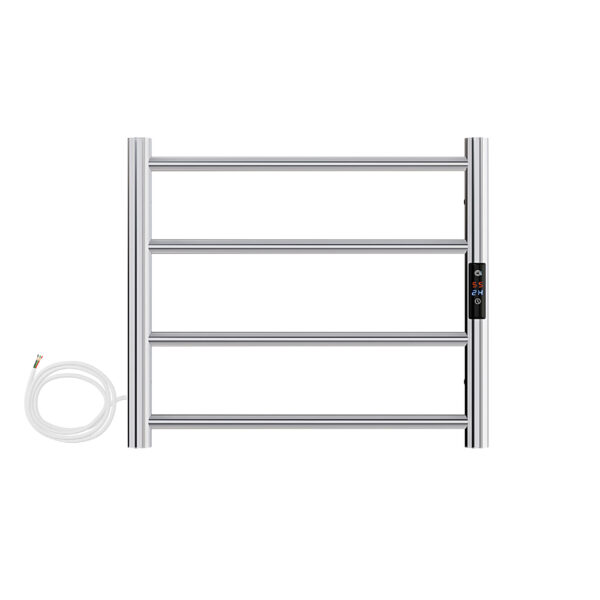
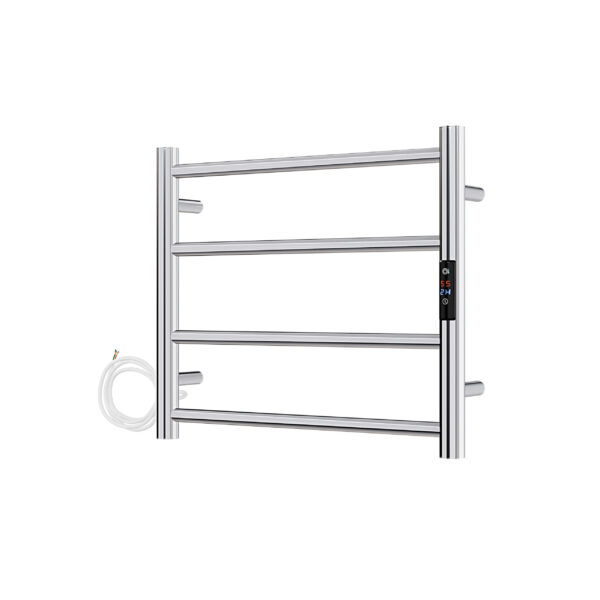
SS Round Heated Towel Rail – 520mm x 600mm with Temperature & Timer Control
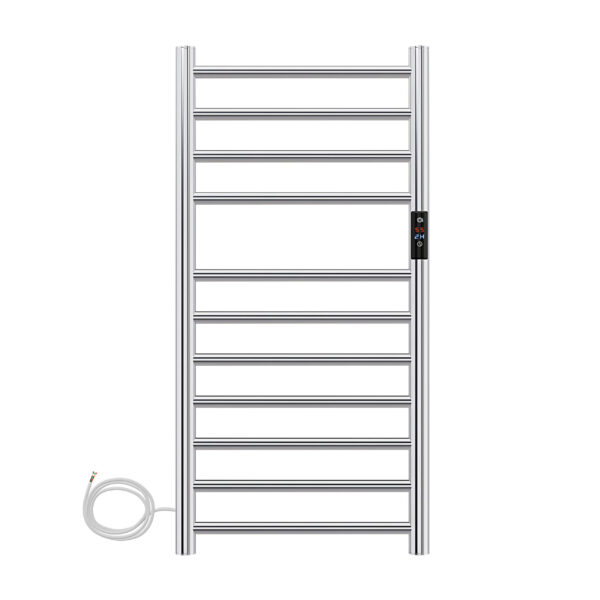

SS Round Heated Towel Rail – 800mm x 400mm with Temperature & Timer Control