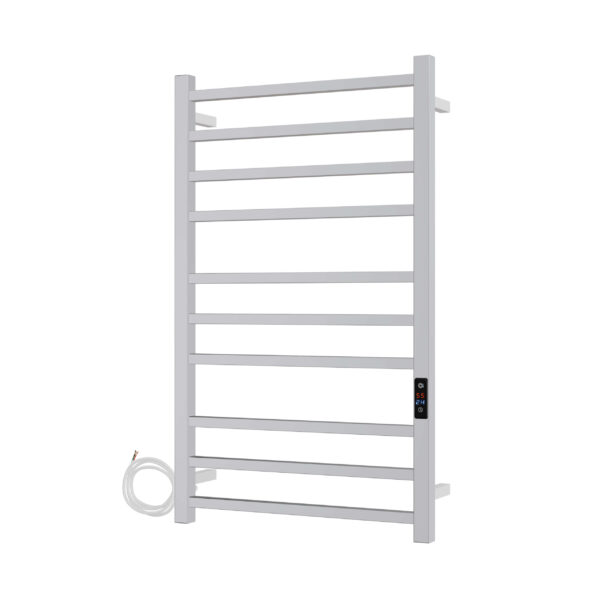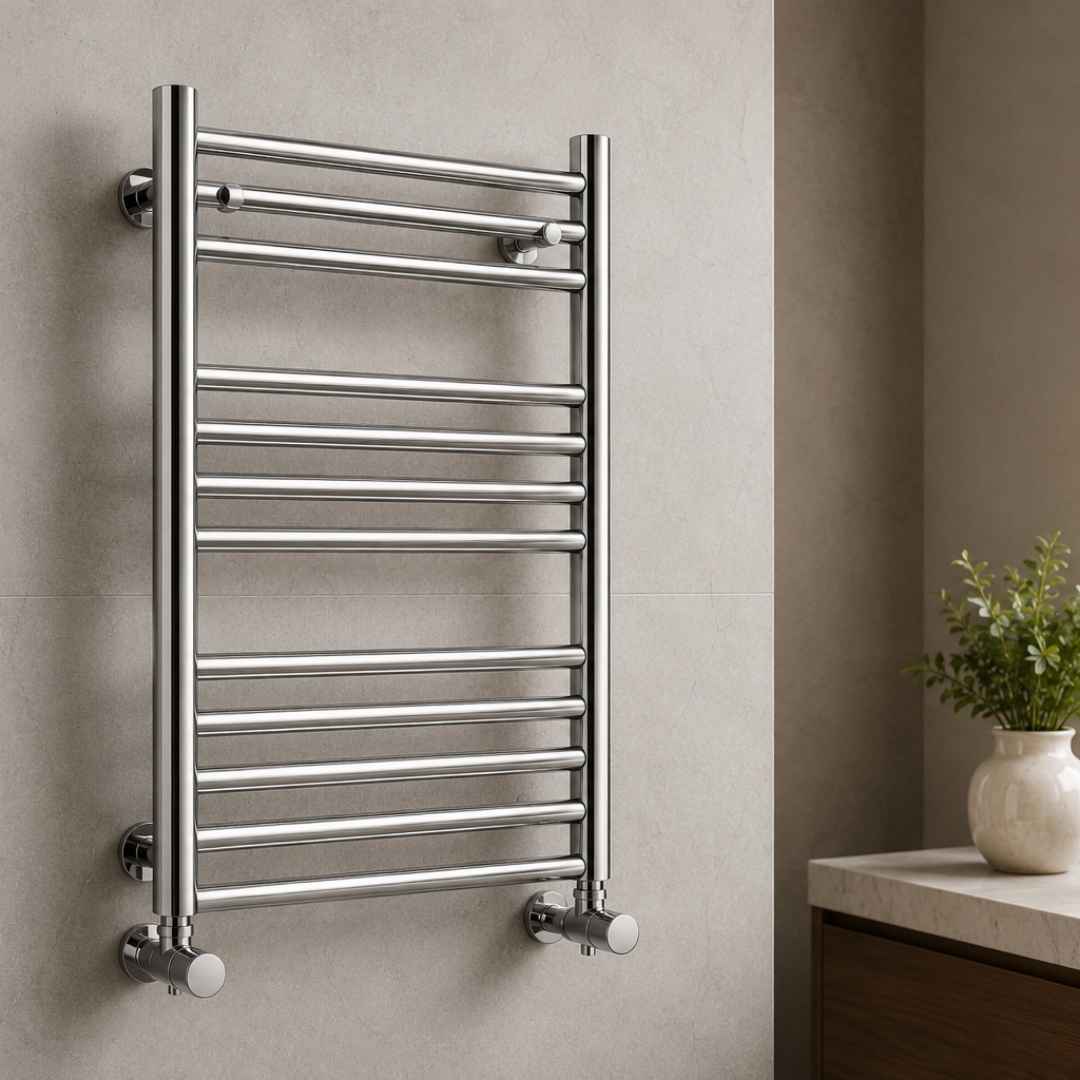
Stepping out of a hot shower into a cold, damp towel can ruin an otherwise perfect morning. That’s exactly why more Indian homeowners are comparing Hardwired vs Plug-In Electric Towel Warmers before making a purchase — but the moment you start shopping; one big question stops you in your tracks: should you go with a Hardwired Towel Warmer or a Plug-In Towel Warmer? Both promise warm, dry towels every single day, yet they work in completely different ways, and picking the wrong one can mean extra electrician visits, awkward cord placement, or a warmer that simply doesn’t fit your bathroom layout. Finding the Best Electric Towel Warmer for your home starts with understanding exactly how these two installation types differ.
This guide breaks down both options in plain, simple language so you can decide what’s genuinely practical for your home — not just what looks good in a showroom.
Towel warmers have quietly become one of the most searched-for bathroom upgrades in India, and it’s easy to see why. They solve a small but daily frustration, they add a touch of hotel-like luxury to an ordinary routine, and they help towels last longer by drying them fully between uses instead of leaving them damp on a hook. But before you add one to your cart, understanding how installation type affects your day-to-day experience will save you time, money, and a fair bit of confusion later.
What Is a Hardwired Electric Towel Warmer?
A Hardwired Towel Warmer is permanently connected to your home’s electrical wiring, hidden behind the wall. There’s no visible cord, no socket, and no plug — just a clean, seamless bar mounted on your bathroom wall. It’s wired in during renovation or construction, usually by a licensed electrician, and once installed, it runs quietly in the background without anyone noticing the wiring at all.
Pros of hardwired models:
- Completely cord-free, giving a sleek, minimal look
- No risk of a plug being accidentally unplugged
- Ideal for wet zones since there’s no exposed socket near water
- Often considered more premium and long-lasting
Cons of hardwired models:
- Needs professional installation, which adds to the cost
- Difficult to relocate once fixed
- Best suited for new construction or major bathroom renovations
- Once wiring is planned properly, running costs and performance stay consistent over years of use
Hardwired units are usually the choice of homeowners who are already working with an interior designer or contractor, since the wiring can be planned alongside tiling, lighting, and plumbing. This means no last-minute compromises — the warmer becomes a built-in fixture rather than an add-on.
What Is a Plug-In Electric Towel Warmer?
A Plug-In Towel Warmer, on the other hand, works just like any other home appliance — you mount it on the wall (or even keep it freestanding) and connect it to a nearby power socket. No breaking walls, no rewiring, no waiting for an electrician’s schedule.
Pros of plug-in models:
- Quick and easy DIY installation
- Perfect for rented homes or existing bathrooms
- Easy to move, replace, or upgrade later
- Usually more budget-friendly upfront
Cons of plug-in models:
- Visible cord may affect the clean aesthetic
- Needs a socket placed safely away from water splash zones
- Slightly higher risk if plug points aren’t installed to safety standards
This is why plug-in warmers have become so popular in Indian cities, where many families live in rented flats or apartments they don’t plan to renovate structurally. A plug-in unit lets you enjoy the same warm-towel comfort without touching a single wire, and if you move homes later, you simply unplug it and take it with you.
Hardwired vs Plug-In: Which Is More Practical?
Here’s where most buyers get stuck — “practical” doesn’t mean the same thing for every household. If you’re renovating from scratch, hardwired is often the smarter long-term choice because it blends beautifully into the wall and avoids any cord clutter. But if you already have a finished bathroom and don’t want the hassle (or expense) of breaking tiles and calling an electrician, a plug-in model is far more practical, since it can be installed in under 30 minutes.
For Indian homes especially, where bathroom renovations aren’t always planned years in advance, plug-in towel warmers tend to win on flexibility, while hardwired units win on aesthetics and permanence. The right pick truly comes down to whether you’re building new or upgrading what you already have.
Budget is another factor that quietly decides practicality. Hardwired installation usually adds labour costs on top of the unit price, while a plug-in warmer often only needs the appliance itself. If you’re working with a tighter budget or simply want to test whether a heated towel rail fits your lifestyle before committing long-term, starting with a plug-in model is a low-risk way to find out.
Choose the Right Size Electric Towel Warmer for Your Bathroom
Beyond the hardwired-vs-plug-in decision, size matters just as much — maybe even more. A warmer that’s too small won’t dry your towels properly, while one that’s too large can overwhelm a compact bathroom. When you choose the right size electric towel warmer, always measure your wall space first, then match it to your household’s towel usage.
- Small bathrooms (1–2 people): A compact single-bar or small ladder-style warmer works well without eating up wall space.
- Medium family bathrooms (3–4 towels): A mid-sized ladder or double-bar model gives enough hanging room without looking bulky.
- Large or shared bathrooms: Go for a wider ladder-style unit with multiple bars so every family member’s towel gets warmed evenly.
Electric Towel Warmer Size Guide: A Quick Reference
If you’re unsure where to start, this simple electric towel warmer size guide should help:
- Measure the available wall height and width where you plan to install the unit.
- Count how many towels need to hang at once — bath towels, hand towels, or bathrobes.
- Leave at least 10–15 cm of clearance around the unit for ventilation and safety.
- Match the wattage to the room size — smaller bathrooms need less power to warm up quickly.
Getting the right size electric towel warmer isn’t just about looks; it directly affects how efficiently your towels dry and how much electricity you end up using.
It’s also worth thinking ahead about future needs. A young couple might only need a compact single-bar warmer today, but if you’re planning for a growing family or frequent guests, choosing a slightly larger model now can save you the cost and effort of replacing it later. Wall placement matters too — installing the warmer near the shower area (but safely away from direct water spray) helps towels start drying the moment you step out, rather than after they’ve already dripped onto the floor.
Best Electric Towel Warmer for Indian Bathrooms
India’s climate varies drastically — from humid coastal cities to cold northern winters — which makes choosing the right electric towel warmer for Indian bathrooms slightly different from picking one for a Western home. In humid regions, a warmer helps prevent musty, damp towels and mildew buildup. In colder states, it adds everyday comfort by keeping towels toasty warm through winter mornings.
Look for stainless steel construction, since it resists rust in humid Indian bathrooms far better than cheaper alloys. Energy-efficient models with adjustable timers are also a smart choice, as they help manage electricity bills, especially in homes where towel warmers run daily.
Ventilation is another point worth checking. Many Indian bathrooms are compact and don’t always have windows for airflow, which makes a towel warmer even more useful for reducing dampness and odour. Pairing a good-quality warmer with proper wall spacing and a rust-resistant finish ensures it stays reliable for years, even in bathrooms that see heavy daily use across a full household.
Which Should You Choose?
There’s no universal Best Electric Towel Warmer for everyone — only the right answer for your home. If you’re renovating and want a permanent, cord-free finish, hardwired is worth the extra installation effort. If you want something quick, flexible, and budget-conscious, plug-in is the more practical, everyday-friendly choice.
Whichever route you choose, focus on getting the size and wattage right for your bathroom, and pick a build quality suited to India’s climate. That one decision will matter far more to your daily comfort than whether the wire is hidden in the wall or plugged into a socket.
Frequently Asked Questions
- Are electric towel warmers safe to use every day? Yes, when installed correctly and kept away from direct water contact, both hardwired and plug-in towel warmers are safe for daily use. Look for models with overheat protection for extra peace of mind.
- How much electricity does an electric towel warmer use? Most towel warmers use minimal electricity, similar to a small heater, and many models include timers to reduce running hours and save on power bills.
- Can I install a plug-in towel warmer myself? Yes, plug-in models are designed for easy, tool-free installation — simply mount the bracket and connect it to a nearby socket, making them ideal for quick upgrades without an electrician.
Why Antioch Enterprises Is a Smart Choice for Your Bathroom Upgrade
When it comes to durable, stylish, and well-priced towel warmers built for Indian homes, Antioch Enterprises stands out as a trusted name. From compact plug-in bars to elegant hardwired ladder models, Antioch Enterprises offers a wide range designed to suit every bathroom size and budget, backed by responsive after-sales support for buyers across the country. Whether you’re renovating from the ground up or simply upgrading an existing space, Antioch Enterprises makes it easy to find a towel warmer that combines comfort, safety, and long-lasting quality, so a warm, dry towel becomes part of your everyday comfort rather than an occasional luxury. For anyone comparing options online, Antioch Enterprises remains a name worth shortlisting before you make your final purchase.
Explore Related Articles:-
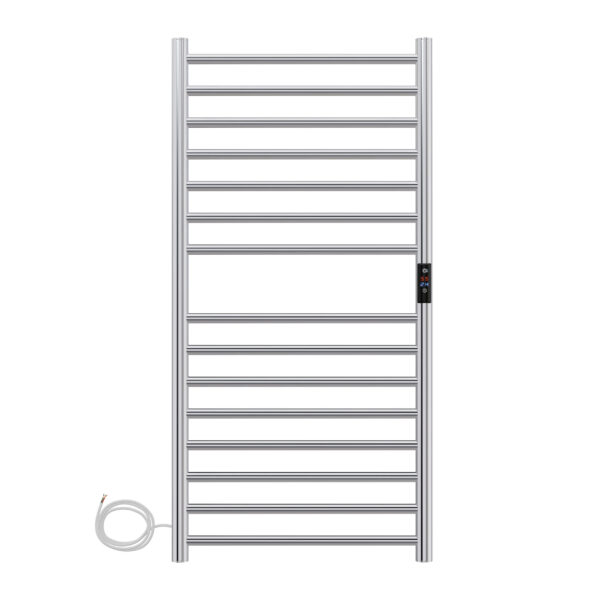

Premium SS Round Heated Towel Rail with Temperature & Timer Control
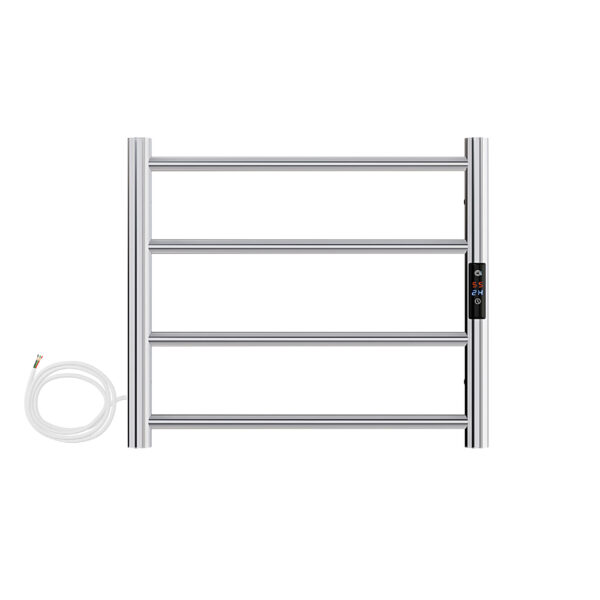
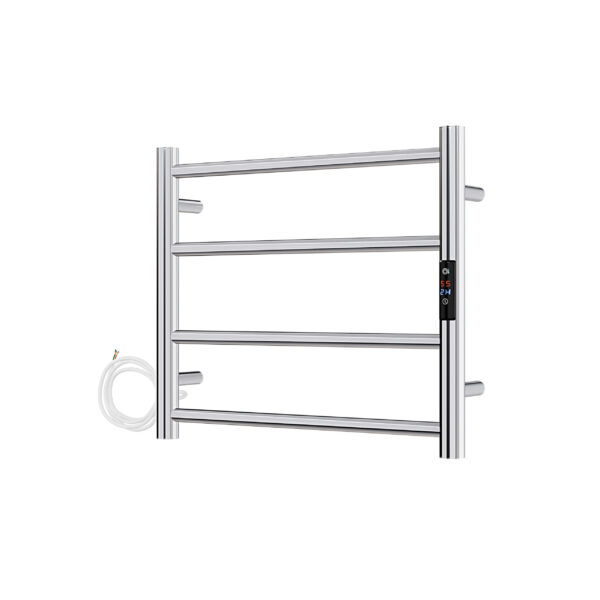
SS Round Heated Towel Rail – 520mm x 600mm with Temperature & Timer Control

SS Round Heated Towel Rail – 900mm x 500mm x 250mm with Shelf