

Best Ways to Keep Towels Warm During Winter
There’s nothing worse than stepping out of a hot shower on a freezing morning, only to wrap yourself in a towel that feels like ice. If you dread winter mornings for this exact reason, you’re not alone. Millions of homeowners across Canada and beyond deal with cold, damp bathrooms every year, and the fix is simpler than most people think. From small daily habits to smart bathroom upgrades, here’s everything you need to know about keeping your towels warm, fresh, and ready whenever you need them.
Why Cold Towels Are a Bigger Problem Than You Think
A cold, damp towel doesn’t just feel unpleasant against your skin. It also takes longer to dry, holds onto moisture, and creates the perfect environment for bacteria and mildew to grow. Over time, this leads to that musty smell nobody wants in their bathroom. Beyond hygiene, cold towels can actually make you feel colder after a warm shower, which isn’t exactly the relaxing experience you’re looking for, especially during the harsher winter months when temperatures indoors can drop significantly.
Warm Towels in Winter: Why It Matters More Than You Realize
Keeping warm towels in winter isn’t just a luxury; it’s a small change that makes a real difference to your daily comfort. A warm towel helps your body regulate temperature faster after bathing, reduces the shock of stepping into a cold bathroom, and gives your entire routine a spa-like feel. For families with young kids or elderly members, this comfort factor becomes even more important, since sudden temperature changes can be uncomfortable or even risky for sensitive skin.
Simple Everyday Habits That Help
Before investing in any equipment, there are a few easy habits that can make a noticeable difference:
- Pre-heat your towel by placing it near a radiator or heating vent for ten minutes before your shower.
- Fold towels loosely instead of stacking them tightly, so warm air can circulate.
- Keep your bathroom door closed while showering to trap heat inside the room.
- Use a hairdryer briefly on a low setting if you need a quick fix before wrapping up.
These tricks work in a pinch, but they’re temporary solutions. For a long-term fix that actually solves the problem every single day, a dedicated heating solution is the smarter choice.
Heated Towel Rail for Winter: The Long-Term Fix
A heated towel rail for winter is one of the most practical upgrades you can make to any bathroom. Unlike temporary tricks, a heated rail keeps your towels consistently warm and dry throughout the day, not just for a few minutes after you heat them manually. These rails work by gently warming the metal bars, which then transfers heat to the fabric, keeping towels toasty, fluffy, and free from that damp, musty smell that builds up in humid bathrooms.
What makes heated rails especially popular right now is how energy-efficient modern designs have become. Many homeowners in colder regions, including large parts of Canada, are switching to these systems because they use significantly less power than running a space heater, while still keeping the entire bathroom feeling warmer and more inviting.
Bathroom Towel Warmer: More Than Just a Trend
A bathroom towel warmer has quickly moved from being a hotel luxury to a practical household essential. Today’s designs are sleek, minimal, and built to match modern bathroom aesthetics, whether you prefer a classic chrome finish or a matte black statement piece. Beyond the visual appeal, a towel warmer also helps extend the life of your towels. Constant dampness breaks down fabric fibers faster, so keeping towels dry between uses actually helps them stay softer and last longer.
Many people also use these warmers for more than just towels. Bathrobes, washcloths, and even baby clothes can be warmed on these racks, making them a versatile addition to any home, especially during the coldest months of the year.
Electric Towel Heater for Bathroom: What to Look For
If you’re considering an upgrade, choosing the right electric towel heater for bathroom use comes down to a few key factors. First, think about size. Larger families need wider rails with more bars, while smaller households or guest bathrooms can work well with compact, single-bar designs. Second, consider the finish and material. Stainless steel is a popular choice because it resists corrosion, especially in humid environments, and maintains its shine with minimal upkeep.
Third, look at the heating technology itself. Modern electric heaters typically use low-wattage systems that stay safe to touch while still generating enough warmth to dry towels effectively. Some models also include timers or thermostatic controls, allowing you to schedule heating around your daily routine, so towels are warm exactly when you need them, without running the unit all day.
Installation is another factor worth considering. Many electric models are simple plug-in units that don’t require rewiring, making them an easy upgrade for existing bathrooms without major renovation work.
Choosing Quality That Lasts
Not all towel warmers are built the same, and quality really does matter when it comes to long-term performance. Poorly made units can rust, develop uneven heating, or fail within a year or two of regular use. Brands that focus on premium stainless steel construction and reliable heating elements tend to offer better durability, safety, and consistent warmth season after season. Antioch Enterprises has built a reputation around exactly this kind of quality, offering thoughtfully designed heated towel rails that combine everyday functionality with a polished, modern look suited to contemporary bathrooms.
When shopping around, it also helps to check for corrosion resistance, energy ratings, and warranty coverage. A good warranty is often a strong indicator that a manufacturer stands behind the durability of their product, which matters a lot when the unit will be running regularly through cold winters.
Making the Right Choice for Your Home
At the end of the day, the right solution depends on your household’s needs, your bathroom size, and how much you’re willing to invest in comfort. If you’re someone who values a spa-like experience every morning, a dedicated heated rail is worth the investment. If you’re simply looking for occasional warmth, smaller everyday habits combined with an affordable compact unit might be all you need. Whatever you choose, prioritizing quality construction and efficient heating will ensure your bathroom stays comfortable throughout the coldest months.
Homeowners who’ve made the switch, including many customers of Antioch Enterprises, often say the biggest surprise isn’t just the warmth itself, but how much it changes the overall feel of their morning routine.
Pricing Guide — What to Expect in 2026
| Type | Size | Price Range |
| Vertical Single Bar (Round) | 800mm–1200mm | ₹2,599 – ₹3,799 |
| Vertical Single Bar (Square) | 800mm–1200mm | ₹2,799 – ₹3,999 |
| Horizontal Single Bar (Round) | 450mm–850mm | ₹1,099 – ₹1,699 |
| Horizontal Single Bar (Square) | 450mm–850mm | ₹1,599 – ₹2,299 |
| Miter Joint Ladder Rail | 600×400mm | ₹6,100 – ₹8,600 |
| Miter Joint Ladder Rail | 800×500mm | ₹7,300 – ₹12,100 |
| Rail with Shelf | 600×500mm | ₹8,600 – ₹14,200 |
| Rail with Shelf | 900×500mm | ₹9,400 – ₹15,600 |
Frequently Asked Questions
1. Do heated towel rails use a lot of electricity?
No, most modern heated towel rails are designed to be energy-efficient, typically using low wattage similar to a light bulb, making them affordable to run daily even in colder climates like Canada.
2. Can I install a heated towel rail myself?
Many electric models are simple plug-in units that don’t require professional installation, though hardwired versions may need an electrician for a safe setup.
3. Are heated towel rails safe to leave on all day?
Yes, most units are built with safety features and stay at a low, safe temperature, though using a timer can help save energy while still keeping towels warm when needed.
4. What’s the difference between electric and hydronic towel warmers?
Electric models plug directly into an outlet, while hydronic versions connect to your home’s central heating system, which usually works better in homes that already have hot water heating.
5. Do heated towel rails help prevent mold and mildew?
Yes, keeping towels dry through consistent warmth reduces the moisture that mold and mildew need to grow, helping bathrooms stay fresher for longer.
6. How long does it take for a towel rail to warm up a towel?
Most rails take between fifteen and thirty minutes to noticeably warm a towel, depending on the wattage and how thick the towel is.
7. Are heated towel rails worth it in cold Canadian winters?
Absolutely, homes in regions with long, cold winters see the most benefit, since bathrooms tend to stay damp and chilly without added heat throughout the season.
Explore Related Articles:-
Smart Heated Towel Rails 2026: App & Voice-Controlled Bathroom Heating
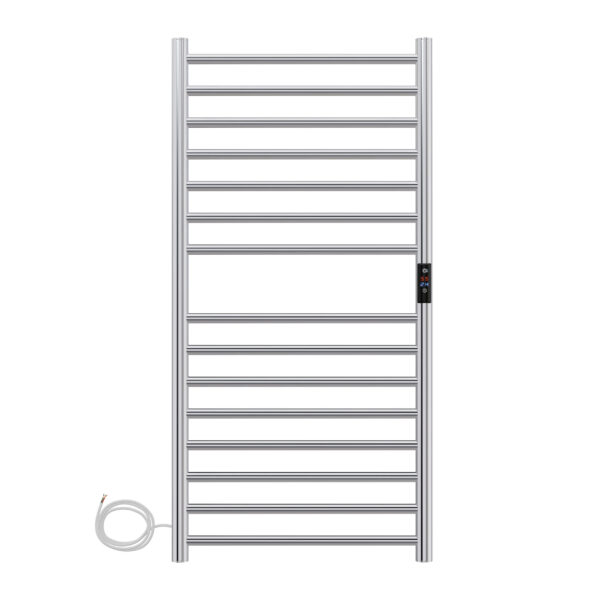

Premium SS Round Heated Towel Rail with Temperature & Timer Control
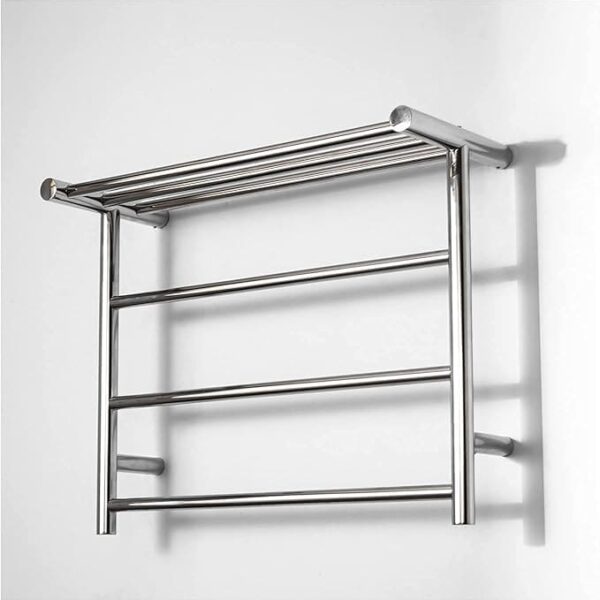
SS Round Heated Towel Rail – 600mm x 500mm x 250mm with Shelf
