If you live anywhere in India, you know the feeling. It’s monsoon season, or maybe just a chilly winter morning, and the towel hanging on your rack has been sitting there for two days, still slightly damp, smelling faintly of mildew. It’s not exactly the relaxing end to a shower you were hoping for.
This is exactly why more Indian households are switching to an Electric Towel Warmer in India setup for their bathrooms. It’s a small upgrade that makes a surprisingly big difference to daily comfort, hygiene, and even how your bathroom looks and feels. But with so many options flooding the market in 2026, picking the right one can feel overwhelming. That’s what this guide is here to fix.
What Exactly Is an Electric Towel Warmer?
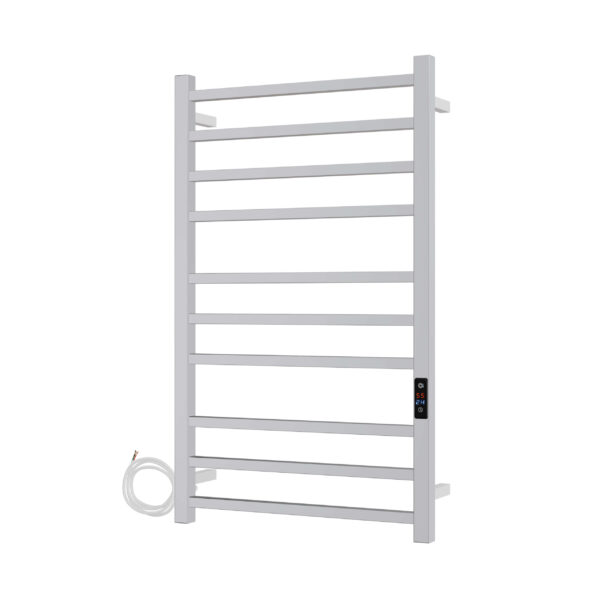
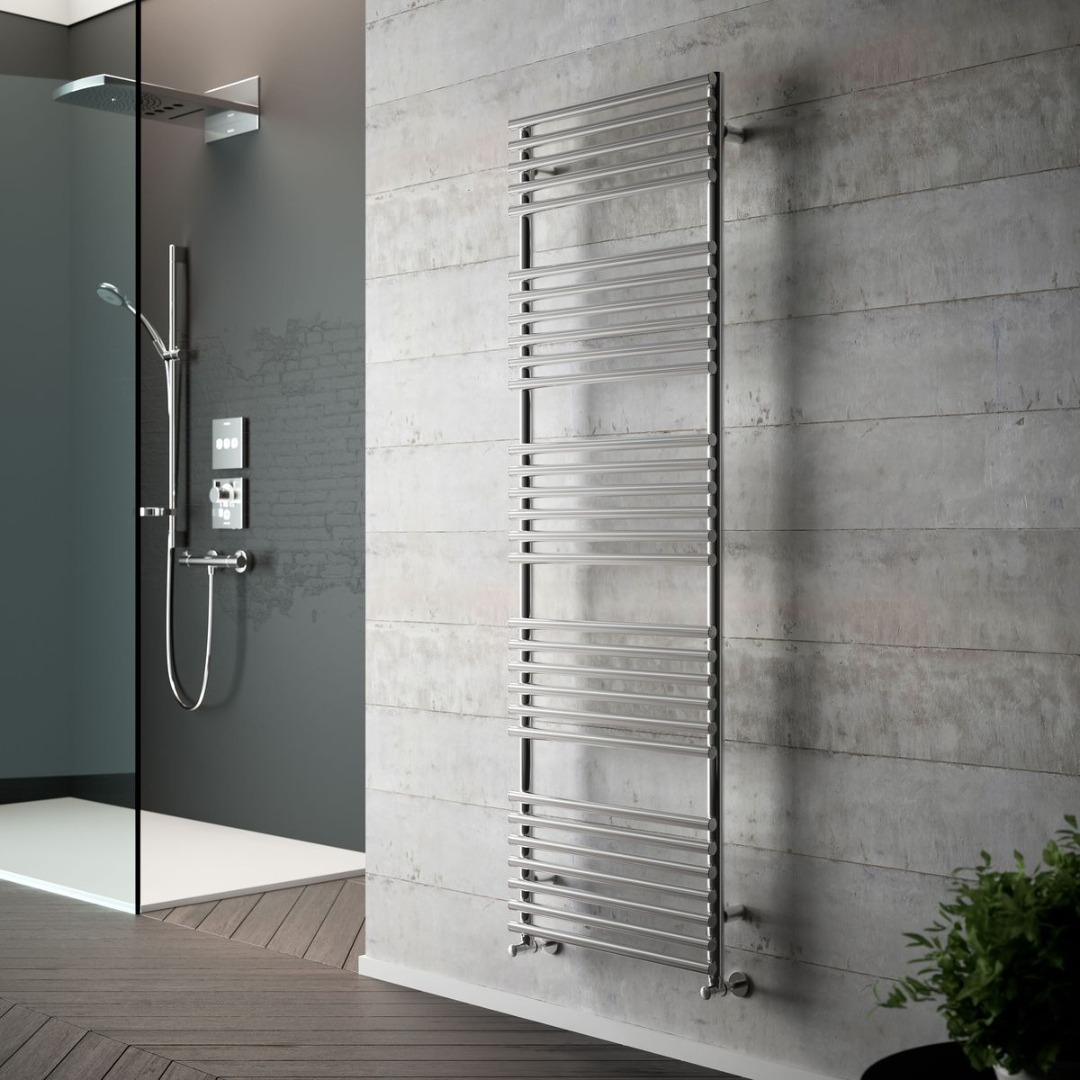
At its core, a Heated Towel Rail is a simple device: a wall-mounted or freestanding rack fitted with heating elements that gently warm the bars, drying your towels faster and keeping them cozy for whenever you need them. Unlike older hydronic systems that needed to be connected to your home’s central heating (something most Indian homes don’t have), electric versions plug directly into a wall socket, making them far easier to install almost anywhere.
Beyond just comfort, there’s a practical hygiene angle here too. Damp towels left hanging for too long become a breeding ground for bacteria and odor-causing microbes. A warm, dry towel rail solves this problem quietly in the background, every single day.
Why Indian Homes Are Adopting This Trend in 2026
India’s climate is genuinely tricky for towels. Coastal cities battle constant humidity. Northern regions face freezing winter mornings. Even in cities with moderate weather, bathrooms are often the least ventilated room in the house. A Bathroom Towel Warmer addresses all of these problems at once, regardless of which part of the country you live in.
There’s also a lifestyle shift happening. Bathrooms in Indian homes are no longer purely functional spaces; they’re increasingly being designed as small personal retreats. A sleek, well-finished towel rail adds a hint of five-star hotel luxury without requiring a full renovation. It’s become one of those small additions that homeowners mention when showing guests around a newly done-up bathroom.
Key Factors to Consider Before You Buy
- Size and Bar Count
Before anything else, measure your available wall space. Standard sizes range from compact 500mm units suitable for smaller bathrooms to larger 1200mm+ models designed for family bathrooms with multiple towels. Consider how many bars you actually need — too few and you’ll run out of hanging space, too many and it becomes an unnecessary expense.
- Material and Build Quality
Look closely at the material used. Stainless steel is the gold standard because it resists rust, handles humidity well, and maintains its shine for years, even in bathrooms with hard water. Cheaper chrome-plated alternatives may look similar initially but tend to corrode or peel much faster in humid Indian conditions.
- Wattage and Heating Time
Wattage determines how quickly your towel actually warms up. Lower wattage models (around 40-60W) are energy-efficient but take longer to heat. Higher wattage options (80-120W) heat faster but consume slightly more electricity. For most Indian households, a mid-range wattage strikes the right balance between speed and running cost.
- Timer and Temperature Control
This is where a basic Electric Heated Towel Rack starts to feel genuinely smart. Models with built-in timers let you set the unit to switch off automatically after a set duration, saving electricity and eliminating any worry about leaving it on unattended. Adjustable temperature controls also let you fine-tune the warmth depending on the season.
- Safety Certifications
Never skip this step. Always check for proper electrical safety certifications and IP ratings (ingress protection against moisture), since this product will be installed in a wet, humid environment. A poorly insulated unit isn’t just inefficient; it’s a genuine safety risk.
- Installation Requirements
Some units require a dedicated wall socket near the installation point, while others come with straightforward plug-and-play designs. If you’re renovating, it’s worth planning the electrical point in advance so the final installation looks clean, with no visible wiring.
Wall-Mounted vs Freestanding: Which Should You Choose?
Wall-mounted Heated Towel Rail units are the more popular choice in Indian bathrooms simply because they save floor space, which matters in smaller apartments. They also tend to look more integrated and permanent, almost like a built-in fixture rather than an accessory.
Freestanding models, on the other hand, offer flexibility. They can be moved around, don’t require drilling into tiled walls, and work well for rented apartments where permanent installations aren’t ideal. If you’re someone who likes rearranging your bathroom layout occasionally, this might be the better fit.
Design Trends to Watch in 2026
Minimalist, rounded designs are dominating the market this year, moving away from the sharp, industrial-looking bars of a few years ago. Matte black and brushed steel finishes are especially popular for homeowners wanting a modern, understated look rather than a shiny, overly reflective one.
Smart features are also creeping into this category. A handful of premium models now include app-based controls, allowing users to schedule heating cycles remotely from their phone. While still a niche feature in India, it’s likely to become more mainstream as smart home adoption grows.
Maintenance Tips to Extend the Life of Your Towel Warmer
Wipe down the bars regularly with a soft, dry cloth to prevent water spot buildup, especially if you have hard water in your area. Avoid using abrasive cleaners, which can scratch protective coatings over time. If your model has a timer, use it consistently rather than leaving the unit running continuously, as this reduces unnecessary wear on the heating element and keeps your electricity bill in check.
Bringing It All Together
Choosing the right towel warmer really comes down to matching the size, material, and features to your specific bathroom and daily routine. A well-chosen unit doesn’t just dry your towels faster, it quietly upgrades your entire bathroom experience, day after day, without demanding much attention or maintenance.
For homeowners looking for reliable, well-built options backed by genuine after-sales support, Antioch Enterprises has built a reputation in this space by focusing on quality materials, safety-compliant designs, and finishes that suit modern Indian bathrooms. It’s the kind of brand worth shortlisting when you’re comparing your final options before making a purchase.
Pricing Guide — What to Expect in 2026
| Type | Size | Price Range |
| Vertical Single Bar (Round) | 800mm–1200mm | ₹2,599 – ₹3,799 |
| Vertical Single Bar (Square) | 800mm–1200mm | ₹2,799 – ₹3,999 |
| Horizontal Single Bar (Round) | 450mm–850mm | ₹1,099 – ₹1,699 |
| Horizontal Single Bar (Square) | 450mm–850mm | ₹1,599 – ₹2,299 |
| Miter Joint Ladder Rail | 600×400mm | ₹6,100 – ₹8,600 |
| Miter Joint Ladder Rail | 800×500mm | ₹7,300 – ₹12,100 |
| Rail with Shelf | 600×500mm | ₹8,600 – ₹14,200 |
| Rail with Shelf | 900×500mm | ₹9,400 – ₹15,600 |
Frequently Asked Questions
- Is it safe to leave an electric towel warmer on all the time?
Most modern units are designed with safety features and thermostats that allow extended use, but it’s generally better to use a timer function to save energy and reduce wear, rather than leaving it on 24/7.
- How much electricity does an electric towel warmer consume?
It depends on the wattage, but most household units consume roughly the same amount of power as a few standard light bulbs running for a similar duration, making them fairly economical for daily use.
- Can I install a heated towel rail in any bathroom?
Yes, as long as there’s access to a nearby electrical point and the wall can support the mounting brackets. It’s best to consult an electrician if you’re unsure about wiring near a wet area.
- How long does it take for a towel to dry on a heated rail?
Depending on wattage and towel thickness, most towels dry within 1 to 3 hours, though thinner towels dry noticeably faster than thick, plush ones.
- Are stainless steel towel warmers better than chrome ones?
Generally, yes. Stainless steel resists corrosion better in humid conditions and tends to last significantly longer than chrome-plated alternatives, especially in coastal or high-humidity regions.
- Do heated towel rails work as room heaters too?
While they do emit some ambient warmth into the bathroom, they’re not designed to replace a dedicated room heater. Their primary function remains drying and warming towels rather than heating the entire space.


SS Round Heated Towel Rail – 1200mm x 425mm with Temperature & Timer Control

SS Round Miter Joint Heated Towel Rail – 600mm x 400mm


SS Square Heated Towel Rail – 520mm x 535mm with Temperature & Timer Control