Cold mornings shouldn’t mean stepping out of the shower onto a chilly floor and reaching for a damp towel. That’s exactly the problem Smart Heated Towel Rails 2026 are built to solve. These next-generation bathroom fixtures combine warmth, hygiene, and technology, letting homeowners heat their towels from a phone app or a simple voice command before they even walk into the room. If you’re planning a bathroom upgrade this year, here’s everything worth knowing about this fast-growing category.
What Exactly Is a Smart Heated Towel Rail?
A smart heated towel rail is more than a metal bar that warms up. It’s a connected bathroom appliance built with WiFi or Bluetooth chips, programmable timers, and temperature sensors that let you control heating remotely. Instead of flipping a wall switch and hoping the towel is warm by the time you need it, you can schedule heating cycles, monitor energy use, and adjust settings from anywhere in the house. This shift from a purely mechanical fixture to a smart home device is what’s driving demand heading into 2026.
How an App Controlled Towel Warmer Works
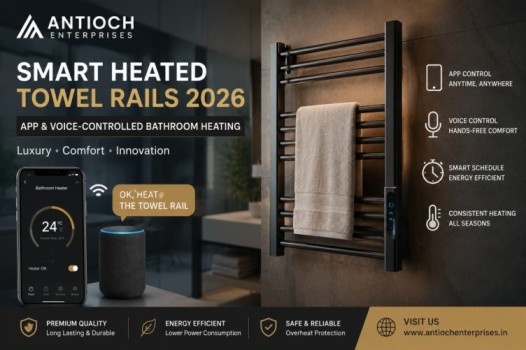
An app controlled towel warmer connects to your home WiFi network and pairs with a dedicated mobile application, usually available for both Android and iOS. Once linked, the app lets you turn the rail on or off remotely, set a daily heating schedule, and receive alerts if the unit is left running longer than expected. Many apps also display real-time power consumption, helping households track electricity costs more precisely than a standard analog rail ever could. For families juggling busy mornings, being able to trigger the towel warmer from bed five minutes before getting up is a small convenience that makes a noticeable difference.
Voice Controlled Towel Warmer Technology Explained
A voice-controlled towel warmer takes convenience a step further by integrating with smart assistants already common in Canadian homes. Instead of opening an app, you simply say a command and the rail respond. This kind of integration works particularly well for people with mobility limitations, busy parents with their hands full, or anyone who just prefers a hands-free bathroom routine. As voice assistant ecosystems mature, expect more manufacturers to build native compatibility directly into their 2026 towel rail lineups rather than relying on third-party smart plugs.
Why Canadian Homes Are Embracing Smart Heated Towel Rails
Canada’s long winters make bathroom warmth less of a luxury and more of a practical necessity. A smart heated towel rail helps reduce condensation and dampness in bathrooms that see heavy use during colder months, while also drying towels faster to prevent musty odors. Homeowners across cities like Toronto, Vancouver, Calgary, and Montreal are increasingly renovating bathrooms with connected fixtures that pair well with existing smart thermostats and home automation setups. Since many Canadian households already rely on programmable heating systems for the rest of the home, adding a scheduled towel rail feels like a natural extension rather than an unnecessary upgrade.
Energy Efficiency: A Bigger Selling Point Than Ever
One of the biggest advantages of the newer Smart Heated Towel Rails 2026 models is precise control over energy use. Traditional towel rails often stay on for hours because there’s no easy way to turn them off remotely. With app-based scheduling, homeowners can set the rail to run only during peak usage windows, such as early mornings and evenings, cutting unnecessary electricity draw significantly. Combined with low-wattage heating elements and stainless-steel construction that retains heat efficiently, these rails are positioned as both a comfort upgrade and a smarter long-term investment compared to older analog designs.
Design Trends Shaping the 2026 Lineup
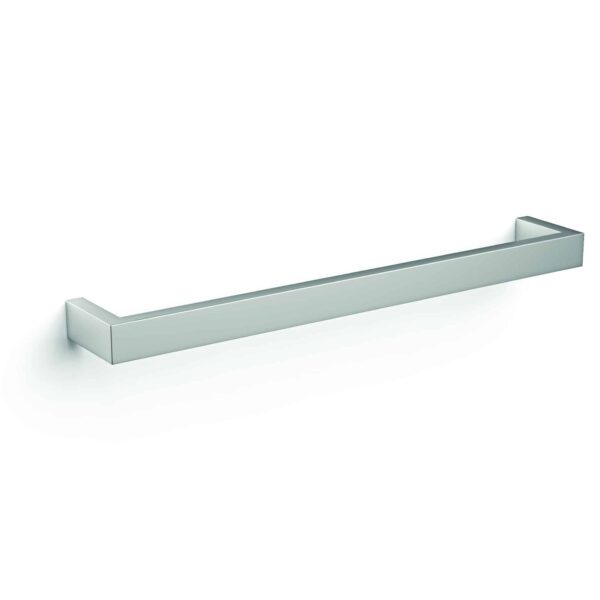
Smart functionality aside, design continues to matter just as much. Brushed stainless steel finishes, slim vertical profiles, and minimalist round or square bar shapes remain popular for modern bathrooms. What’s changing in 2026 is the seamless integration of technology into these designs, LED status indicators are becoming smaller and less intrusive, control panels are shrinking, and some models now hide their smart components entirely behind the mounting plate for a cleaner look. The goal is a rail that looks like a premium accessory first, and a smart device second.
Choosing the Right Smart Heated Towel Rail
Not every bathroom needs the same setup, and picking the right unit depends on a few practical factors:
- Bathroom size and layout – vertical bars suit narrow spaces, while horizontal designs with shelving work better in larger bathrooms.
- Connectivity needs – decide whether app control alone is enough, or if voice compatibility is a priority for your household.
- Power source – hardwired units typically offer more consistent heating than plug-in models, though plug-in versions are easier to retrofit.
- Material quality – stainless steel resists corrosion far better than lower-grade alternatives, especially in humid environments.
- Warranty and support – connected devices benefit from manufacturers who offer firmware updates and responsive customer service.
Taking time to match these factors to your specific bathroom will make the eventual purchase far more satisfying than picking based on price alone.
Installation Considerations for Smart Models
Installing a connected towel rail is only slightly more involved than a standard one. Hardwired smart units generally require a qualified electrician to connect the unit to a dedicated circuit, while plug-in versions can often be set up by homeowners themselves in under an hour. Either way, most manufacturers recommend positioning the rail near a stable WiFi signal to avoid connectivity drops, since a smart rail that keeps disconnecting from the app loses much of its appeal. Mounting height also matters, placing the rail at a comfortable reach height ensures both convenience and safety around the heating elements.
Bringing Smart Comfort to Every Bathroom
Companies sourcing and supplying premium bathroom fittings have taken notice of this shift toward connected fixtures. Antioch Enterprises, known for its range of stainless-steel heated towel rails, reflects the broader industry move toward combining classic bathroom luxury with modern usability. As more households prioritize both design and functionality, suppliers are expected to expand their smart-enabled offerings to meet growing interest from homeowners looking for practical, tech-forward upgrades. Whether it’s a compact vertical bar for a small ensuite or a larger horizontal rail with a shelf for a family bathroom, the direction is clearly toward smarter, more connected products across the board.
Frequently Asked Questions
-
Are smart heated towel rails worth the extra cost compared to standard models?
For most households, yes, the ability to schedule heating and monitor power usage typically pays off through reduced electricity waste over time, especially in colder climates where the rail runs more often.
-
Can a smart heated towel rail work without WiFi?
Most units still function as a basic heated rail without WiFi, but you’ll lose app scheduling, remote control, and voice assistant integration until the connection is restored.
-
Do app-controlled towel warmers work with Google Home and Amazon Alexa?
Many newer models support both ecosystems, though compatibility varies by manufacturer, so it’s worth checking product specs before purchasing if voice control is a priority.
-
How much electricity does a smart heated towel rail use per month?
Usage depends on rail size, wattage, and how often it runs, but scheduling features generally reduce consumption compared to leaving a traditional rail on continuously.
-
Is professional installation required for a voice-controlled towel warmer?
Hardwired units usually need an electrician, while plug-in smart models can often be installed without professional help, though checking local electrical codes is still recommended.
-
Are heated towel rails safe to leave on overnight?
Most modern units include safety features like automatic shut-off timers, but app-based scheduling makes it easy to avoid leaving the rail running unnecessarily overnight.
-
What size heated towel rail is best for a small bathroom?
Compact vertical single-bar models are generally the best fit for smaller spaces, offering towel-warming function without taking up significant wall space.
Smart heated towel rails are no longer a niche upgrade they’re becoming a practical addition to modern bathrooms, particularly in regions where cold, damp winters make warmth and quick-drying towels a daily priority. As app and voice control features continue to improve heading into 2026, expect this category to move from optional luxury to a standard bathroom expectation.
Explore Related Articles:-
How to Choose the Perfect Heated Towel Rack for Your Bathroom 2026 Guide


SS Round Heated Towel Rail – 1200mm x 500mm with Temperature & Timer Control
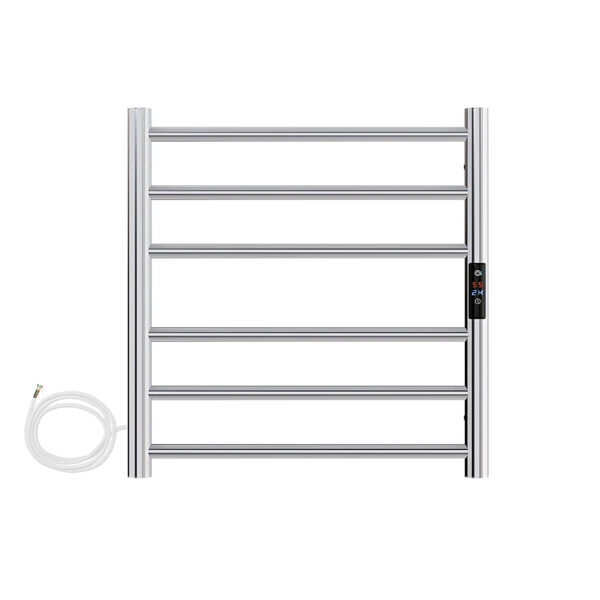
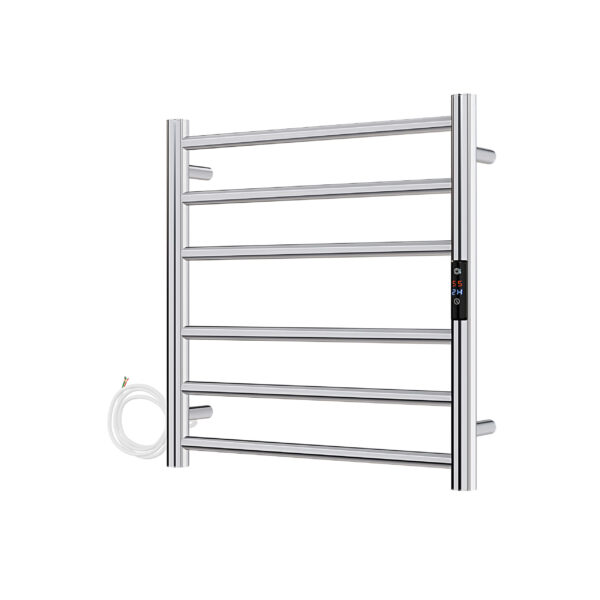
SS Round Heated Towel Rail – 620mm x 600mm with Temperature & Timer Control

SS Round Miter Joint Heated Towel Rail – 600mm x 400mm