Do Heated Towel Rails Use Much Electricity? Running Costs Guide
Warm Towels or Warm Bills? Here Is the Honest Answer
Picture a cold winter morning in North India. You step out of a hot shower, reach for your towel, and it feels damp, clammy and cold. A heated rail fixes that problem, but the next thought is usually about the electricity bill. The good news is that heated towel rail electricity usage is far lower than most people expect, because these rails draw about as much power as a few LED bulbs.
In this guide we skip the vague promises and work in rupees. You will see wattage, daily cost, monthly cost and practical ways to save. By the end you can decide whether a rail belongs in your bathroom, and which size suits your family.
How Much Power Does a Towel Rail Really Pull?
Most home rails are rated between 60 and 200 watts. Slim horizontal bars sit at the low end, while large ladder-style frames and shelf models climb higher. A bucket heating rod uses around 1,500 watts, and a geyser often pulls 2,000 or more. Next to those, electric towel rail energy consumption is modest, closer to a ceiling fan than to a room heater.
The wattage on the label is the maximum draw, not a constant one. Rails with a thermostat or timer switch off once they reach temperature, so real use is often lower than the rating. Check the label before you buy, and pick a size that matches your bathroom rather than the biggest one in the catalogue.
The Simple Math: Daily and Monthly Cost in India
The formula is easy: watts × hours ÷ 1,000 gives you units (kWh). We have assumed ₹7 per unit, a common mid-slab rate in many Indian states, though your tariff may be higher or lower. A 100-watt rail running four hours uses 0.4 units, which is about ₹2.80 a day.
| Rail wattage | Daily use | Units per day | Cost per day | Cost per month |
|---|---|---|---|---|
| 60 W | 3 hours | 0.18 | ₹1.26 | about ₹38 |
| 100 W | 4 hours | 0.40 | ₹2.80 | about ₹84 |
| 150 W | 4 hours | 0.60 | ₹4.20 | about ₹126 |
| 200 W | 5 hours | 1.00 | ₹7.00 | about ₹210 |
This is why heated towel rail running costs stay small for most families. Even the heaviest example in the table adds roughly what you would spend on a couple of cups of café coffee each month. Check your latest electricity bill for your exact per-unit rate and plug it into the same formula.
What Makes Your Bill Go Up or Down?
Run time matters most. A rail left on all day costs several times more than one switched on an hour before showers. Your tariff slab matters too, since each unit costs more once monthly consumption crosses certain limits. Bathroom size and ventilation play a part as well, because an exhaust fan in a small room pulls warmth straight out.
Build quality counts more than people think. Stainless steel conducts heat well and resists rust in humid bathrooms, so it stays warm without working hard. Cheap, thin-walled rails can heat unevenly and fail early. Choosing a well-made
costs a little more upfront, but it saves money and replacement hassle over the years.
Smart Habits That Cut Costs Without Losing the Warmth
A plug-in timer is the cheapest upgrade you can make. Set the rail to start thirty minutes before your morning shower and switch off afterwards, which can halve its running time compared with leaving it on. Many families in Punjab, Haryana and Delhi use their rails only from November to February, so yearly spending stays very low.
Hang towels evenly instead of piling them on one bar, because airflow helps them dry faster. Keep the bathroom door closed while the rail is on so the warmth stays inside, and switch off at the wall when you travel. Small habits like these keep heated towel rail electricity usage low while your towels stay soft and fresh.
Are Towel Rails Worth It Beyond Warm Towels?
Monsoon humidity can leave a towel damp for a whole day. Damp fabric breeds bacteria, and that musty smell is hard to wash out. A warm rail dries towels in a few hours, so they stay fresher between washes. Fewer washes also mean less water, less detergent and longer-lasting fabric, which offsets part of what you spend on power.
In winter the gentle heat also takes the chill off a small bathroom, so you may skip a separate room heater, which draws ten times more power. When you add up the comfort, hygiene and savings, heated towel rail running costs look like a fair trade for a daily habit you will notice every single morning. Many owners say they cannot go back to cold towels.
Which Style Fits Your Bathroom and Budget?
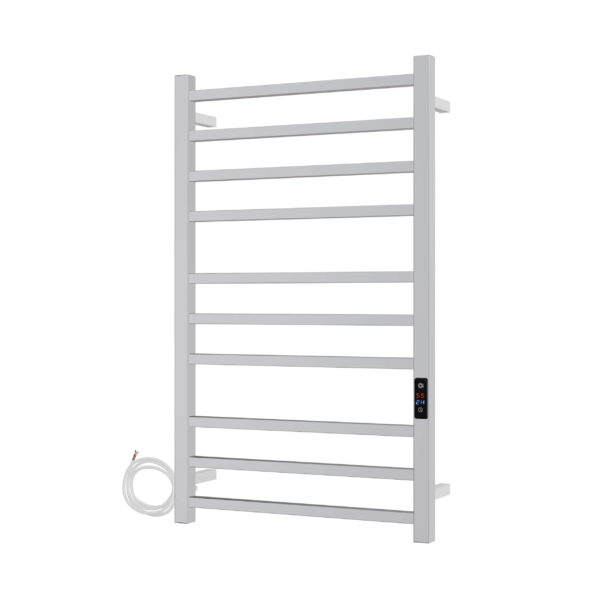
Compact bathrooms suit slim designs. A round horizontal single-bar rail in stainless steel fits beside a basin or above a toilet, and a square-edged horizontal bar gives a sharper, modern look. Both are small, so their electric towel rail energy consumption stays on the low side.
If wall space is tight but height is available, try a vertical single-bar rail with a round profile or a square vertical design. Families who need more drying space can choose a compact mitre-joint frame or a shelf-topped model that also keeps a folded towel warm. Bigger frames draw more power, so match the size to real need.
Safety and Installation Tips Every Indian Home Should Follow
Bathrooms combine water and electricity, so safety comes first. Choose a rail with proper safety certification and a suitable water-ingress rating, and make sure it is earthed. An RCCB or ELCB on the bathroom circuit adds protection. Ask a licensed electrician to fit it, and mount it away from the direct spray of the shower head.
Hardwired rails look tidier, while plug-in ones are easier to move and switch off, so choose what suits your wiring. Whichever you pick, a thermostat-controlled energy efficient towel warmer is the safer and cheaper-to-run option, because it stops heating once the right temperature is reached. It also helps keep electric towel rail energy consumption predictable month after month.
Pricing Guide — What to Expect in 2026
| Type | Size | Price Range |
| Vertical Single Bar (Round) | 800mm–1200mm | ₹2,599 – ₹3,799 |
| Vertical Single Bar (Square) | 800mm–1200mm | ₹2,799 – ₹3,999 |
| Horizontal Single Bar (Round) | 450mm–850mm | ₹1,099 – ₹1,699 |
| Horizontal Single Bar (Square) | 450mm–850mm | ₹1,599 – ₹2,299 |
| Miter Joint Ladder Rail | 600×400mm | ₹6,100 – ₹8,600 |
| Miter Joint Ladder Rail | 800×500mm | ₹7,300 – ₹12,100 |
| Rail with Shelf | 600×500mm | ₹8,600 – ₹14,200 |
| Rail with Shelf | 900×500mm | ₹9,400 – ₹15,600 |
Quick Answers to Questions Indian Buyers Ask Most
1. Do heated towel rails use a lot of electricity?
No. Most home rails are 60 to 200 watts, so heated towel rail electricity usage usually adds only ₹40 to ₹210 to a monthly bill, depending on size and hours of use.
2. How much does it cost to run a heated towel rail per month in India?
At about ₹7 per unit, a 100-watt rail running four hours daily costs roughly ₹84 a month. Your actual heated towel rail running costs depend on your tariff, wattage and timer settings.
3. Is it safe to leave a heated towel rail on all day?
Quality rails with thermostats are designed for long use, but constant running wastes power. Leaving it on all day pushes electric towel rail energy consumption up for little benefit, so a timer is the smarter choice.
4. Can a towel rail heat the whole bathroom?
It adds mild background warmth in small bathrooms, but it is not a room heater. Think of it as a gentle comfort boost that keeps towels warm, not a replacement for a heater.
5. Are heated towel rails safe in a bathroom?
Yes, when you buy a certified, earthed product and install it properly away from direct water spray. Hiring a licensed electrician and using an RCCB adds an extra layer of protection.
6. How long does a towel rail take to warm up?
Most reach a comfortable temperature in 15 to 30 minutes. Starting it before your shower, with a timer, means the towel is ready the moment you step out.
7. Are heated towel rails worth buying in India?
For most homes, yes. The monsoon dampness, winter chill and low running cost make a good energy efficient towel warmer a practical addition, not just a luxury.
Ready to Bring Spa-Style Warmth Home? Let’s Get You Started
You now know the numbers: a typical rail costs less than a cup of tea each week, and it keeps towels dry, warm and fresh. If you want the comfort without worrying about heated towel rail electricity usage, the next step is picking a size and finish that suit your space. At Antioch Enterprises, we offer stainless steel rails in several styles, with customizable sizes and finishes, so your bathroom looks as good as it feels. Once you compare options, you will see that heated towel rail running costs and energy efficient towel warmer quality go hand in hand.
Ready to choose? Browse the full collection or get a quick recommendation from our team and we will help you find the right rail for your home.
Explore Related Articles:-
Safe Continuous Use of Electric Wall Mounted Towel Warmer Rack
Electric Wall Mounted Towel Warmer Rack 50W Chrome Steel Heated Rail
Modern Bathroom Accessories That Add Style and Functionality
Electric Towel Warmer Price List India 2026 All Sizes Compared
Best Bathroom Accessories for a Modern and Stylish Bathroom
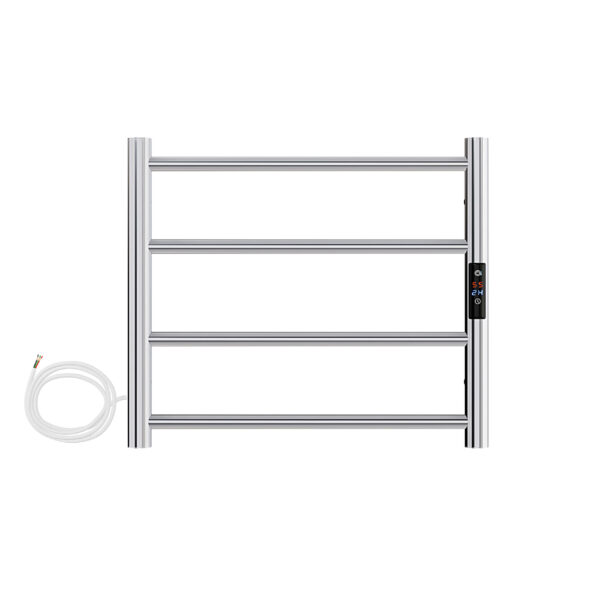
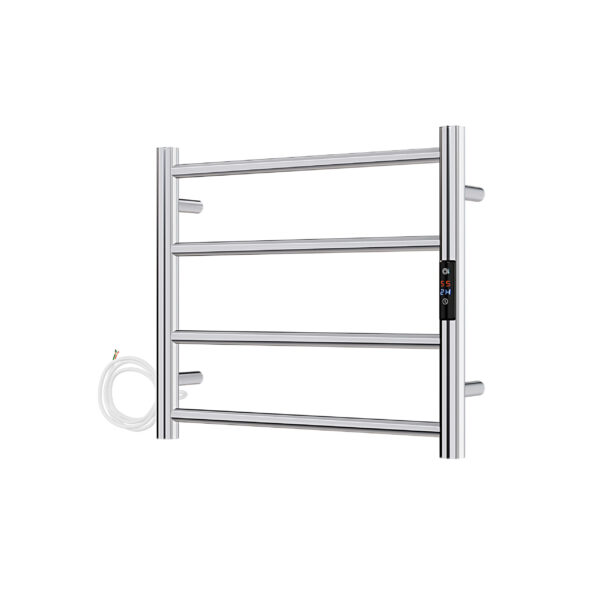
SS Round Heated Towel Rail – 520mm x 600mm with Temperature & Timer Control

SS Round Heated Towel Rail – 900mm x 500mm x 250mm with Shelf

SS Round Miter Joint Heated Towel Rail – 600mm x 400mm