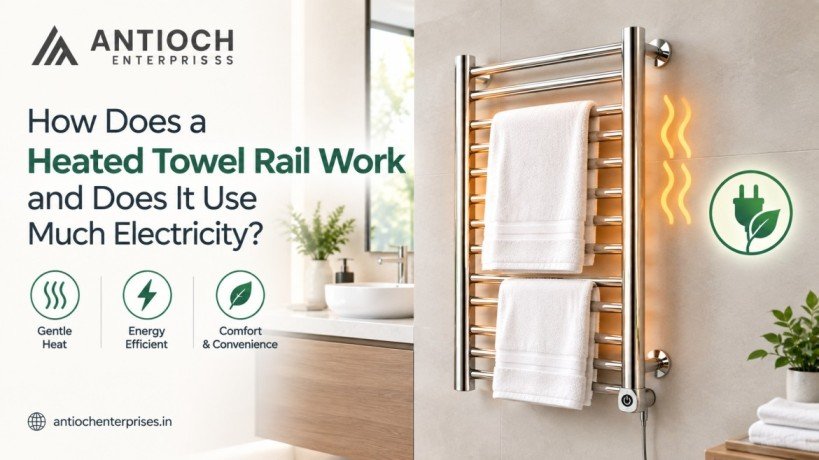
How Does a Heated Towel Rail Work and Does It Use Much Electricity?
Stepping out of a hot shower and reaching for a warm, dry towel is one of those small luxuries that instantly makes a bathroom feel more comfortable. That’s exactly why the heated towel rail has become one of the most searched-for bathroom upgrades in recent years. But along with the appeal comes a common question: does a heated towel rail actually cost a lot to run? Below, we break down exactly how these units work, what powers them, and how much electricity you can realistically expect them to use.
What Is a Heated Towel Rail?
A heated towel rail, also known as an electric towel warmer, is a bathroom fixture designed to heat and dry towels while doubling as a stylish storage rail. Unlike a plain metal bar that simply holds a towel, this fixture actively warms the surface so that towels dry faster, stay fresh longer, and feel warm every time you use them. Most modern designs are built from brushed or polished stainless steel, giving bathrooms a sleek, hotel-like finish while quietly working in the background.
The rise in popularity of the electric towel warmer isn’t just about comfort — it’s also about hygiene. Damp towels left folded on a hook can develop a musty smell and become a breeding ground for bacteria. A rail that keeps towels warm and dry helps prevent that problem entirely, which is a big reason homeowners across Canada and beyond are making the switch.
How Does a Heated Towel Rack Actually Work?
At its core, a heated towel rack works using a simple heating element built into or wrapped around the metal bars. Once the unit is switched on, electricity flows through this internal element, generating gentle, consistent heat that spreads across the rail. This warmth transfers directly into the towel draped over it, drying moisture and keeping the fabric warm to the touch.
There are generally two main types of systems used in a heated towel rack:
- Electric models – These plug directly into a wall socket or are hardwired into the bathroom’s electrical circuit. They’re the easiest to install and are the most common choice for retrofits since they don’t rely on existing plumbing.
- Hydronic (water-based) models – These connect to a home’s central heating or hot water system, circulating warm water through the rail instead of using an electric element.
For most households, the electric version is preferred because it’s simpler to install, works independently of the central heating system, and can be controlled with its own timer or thermostat.
Do Towel Warmers Use a Lot of Electricity?
This is the question most people actually want answered before buying: do towel warmers use a lot of electricity? The short answer is no — not nearly as much as people assume.
Most residential units draw somewhere between 50 to 150 watts, depending on the size and length of the rail. To put that into perspective, a 100-watt towel warmer running for 8 hours a day uses roughly 0.8 kWh of electricity daily. Based on average Canadian electricity rates, that typically works out to only a few dollars added to your monthly bill — far less than running a space heater or an electric dryer.
Several factors influence exactly how much power your unit consumes:
- Wattage of the rail – Larger rails with more bars naturally use more power.
- Hours of use per day – Leaving it on 24/7 versus using a timer makes a noticeable difference.
- Thermostat settings – Units with adjustable heat settings let you dial down consumption during warmer months.
- Insulation of the bathroom – A well-insulated space retains heat better, so the rail doesn’t need to work as hard.
In short, a well-chosen heated towel rail is one of the more energy-efficient comfort upgrades you can add to a bathroom, especially when paired with a built-in timer.
Tips to Reduce Electricity Usage Even Further
If you’re mindful of energy costs, a few small habits can help you get the benefits of an electric towel warmer while keeping consumption low:
- Use a timer plug so the rail only runs during the hours you actually need it — typically mornings and evenings.
- Choose the right size for your bathroom rather than oversizing; a rail that’s too large for the space wastes energy.
- Turn it off during summer months when towels dry naturally and the extra warmth isn’t necessary.
- Look for models with adjustable thermostats so you can lower the temperature during less humid seasons.
- Keep the bathroom door closed while it’s running to retain warmth more efficiently.
These simple adjustments can cut running costs significantly without sacrificing the everyday comfort a heated towel rack provides.
Why a Heated Towel Rail Is Worth the Investment
Beyond the practical drying function, a heated towel rail brings a noticeable upgrade to everyday bathroom life. It keeps towels dry between uses, reduces musty odors caused by lingering dampness, and adds a warm, spa-like feel to your morning and evening routine — especially valuable during Canada’s colder months when a chilly, damp towel is the last thing anyone wants after a shower.
It also tends to be more space-efficient than a bulky towel closet or drying rack, since the rail doubles as both a heating unit and a hanging fixture. For homeowners renovating a bathroom or building new, it’s a small addition that delivers a disproportionately large improvement in day-to-day comfort.
At Antioch Enterprises, this is exactly the kind of everyday luxury we focus on — combining efficient heating technology with elegant, durable stainless steel designs that suit modern homes without driving up energy bills.
Frequently Asked Questions
1. How much electricity does a heated towel rail use per month?
Most units use between 15–25 kWh per month when run a few hours daily, which typically adds only a small amount to a monthly electricity bill in Canada.
2. Are heated towel rails worth it in Canada?
Yes. Given Canada’s cold winters, a heated towel rail helps towels dry faster and stay warm, making bathrooms noticeably more comfortable during the colder months.
3. Can I leave my towel warmer on all day?
You can, but it’s not necessary. Using a timer for a few hours a day is usually enough to keep towels warm and dry while minimizing electricity use.
4. What’s the difference between an electric and hydronic towel warmer?
Electric models plug into a standard outlet and heat independently, while hydronic models connect to your home’s central heating system and circulate hot water through the rail.
5. How much does it cost to run a towel warmer per month in Canada?
Depending on wattage and usage hours, most homeowners see an increase of only a few dollars per month on their electricity bill.
6. Do heated towel racks work well in cold Canadian winters?
Yes, they’re particularly popular in colder climates since they combat dampness and provide extra warmth exactly when bathrooms feel coldest.
7. Are electric towel warmers safe to use in bathrooms?
Yes, quality units are designed and certified for bathroom use, with sealed heating elements that meet safety standards for humid environments.
Final Thoughts
A heated towel rail is a small upgrade with an outsized impact on comfort, hygiene, and everyday convenience — and as the numbers show, it doesn’t come with a heavy electricity cost. Whether you’re renovating a bathroom or simply looking to add a touch of warmth to your daily routine, an electric towel warmer is a practical, energy-conscious choice.
Ready to upgrade your bathroom? Explore the full range of premium, energy-efficient heated towel rails from Antioch Enterprises and bring everyday luxury home today.
Explore Related Articles:-
Top Bathroom Accessories for Everyday Comfort and Convenience
Heated towel rail


SS Round Heated Towel Rail – 1200mm x 425mm with Temperature & Timer Control
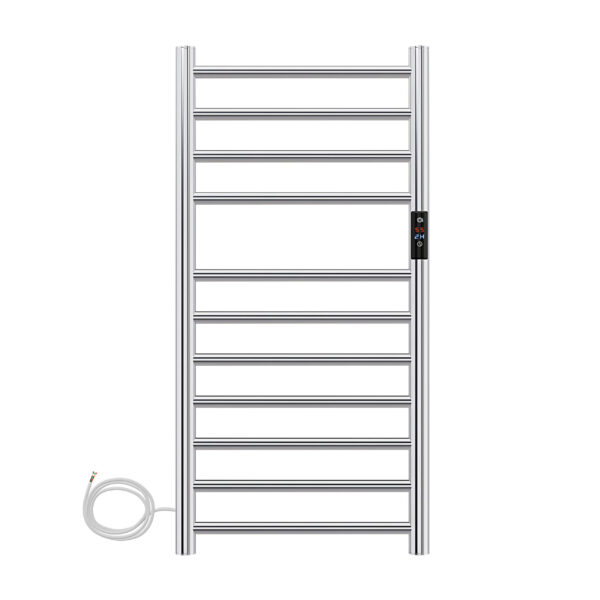

SS Round Heated Towel Rail – 800mm x 400mm with Temperature & Timer Control

SS Round Miter Joint Heated Towel Rail – 600mm x 400mm


SS Square Heated Towel Rail – 520mm x 535mm with Temperature & Timer Control